As a homeowner in Union, Washington, Festus, St. Clair, Herculaneum, Gerald, Fenton, Valley Park, DeSoto, Pevely, or Eureka, you know that your roof plays one of the most important roles in protecting your family and property. A professional roof inspection is the best way to confirm your roof’s condition, identify small problems before they become expensive repairs, and ensure your home is ready for Missouri’s changing seasons. But before a roofing contractor like Emmendorfer Exteriors arrives, it helps to know exactly what roof inspection preparations you should make.
By following the right steps, you can make the process smoother, safer, and more efficient for both you and the roofing professional. In this article, we’ll walk you through everything you need to know about how to prepare for a roof inspection, from clearing access points to gathering important documents and make sure to follow us on Facebook with free inspections, so you feel confident and ready for the appointment.
Why Roof Inspections Matter
A professional roof inspection is not just about climbing a ladder and looking at shingles. It is a detailed evaluation of your roof’s overall condition, including materials, flashing, ventilation, gutters, and the interior of your attic. For homeowners in Festus or Eureka, inspections often reveal hidden hail damage after storms. In Washington or Fenton, they can uncover loose flashing or clogged gutters that might cause leaks.
The biggest benefit is peace of mind. With regular inspections, you reduce the risk of sudden, costly repairs and keep your roof performing at its best for decades. This is why being ready with thoughtful roof pre-inspection guide matters so much.
Step 1: Clear Outdoor Access Around Your Home
One of the first things to consider when planning roof inspection prep tips is making sure the contractor has safe, easy access around your home. Move vehicles away from the driveway, trim back low-hanging branches, and remove any obstacles like lawn furniture, grills, or toys that might get in the way.
In neighborhoods like Union or DeSoto, where trees can grow close to homes, trimming back branches before the inspection can prevent delays. A clear workspace ensures the inspector can safely set up ladders and move equipment without risk of damage or injury.
Step 2: Secure Pets and Children Indoors
Roof inspections often require climbing ladders, walking around your property, and making noise on the roof. This can be distracting or stressful for pets and children. As part of your clear roof for inspection, keep pets secured indoors and let kids know to stay clear of the inspection area.
In towns like Pevely or Valley Park, where families often have active pets, this small step goes a long way in keeping everyone safe and allowing the contractor to focus on their job.
Step 3: Clean Gutters and Downspouts Ahead of Time
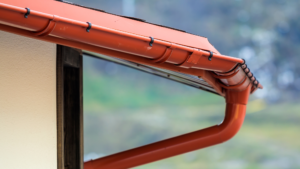
While not required, one of the most helpful roof inspection preparations is cleaning out your gutters and downspouts before the appointment. Clear gutters allow the inspector to evaluate how well water flows away from your roof. If they are clogged, the inspector may not be able to fully assess drainage issues.
In Herculaneum or St. Clair, where heavy rains are common, this can make the difference between spotting a hidden problem and overlooking it. Even a simple sweep of leaves and debris ensures more accurate results.
Step 4: Provide Access to the Attic
Professional roof inspections are not limited to the exterior. Inspectors often need to check the attic for signs of leaks, poor ventilation, or insulation problems. As part of your roof inspection services, make sure the attic hatch or entry point is clear of storage boxes or furniture.
If you live in Gerald or Washington, where homes often feature smaller attic entryways, take time to move items out of the way so the inspector can enter easily. A flashlight, extension cord, or step stool nearby may also be helpful.
Step 5: Gather Documentation and Records
Roof inspection cost are not just physical tasks—they also include organizing important paperwork. Gather any documents you have related to your roof, such as:
- Warranty information
- Past repair invoices
- Insurance claim documents
- Roof replacement records
Homeowners in Festus or Union who keep these documents handy make it easier for inspectors to understand the roof’s history, age, and potential warranty considerations. This context can make inspection results more precise and actionable.
Step 6: Note Any Concerns Beforehand
Before the inspection, take a walk around your home and note any areas of concern. Do you notice missing shingles after a recent storm in Eureka? Are there water stains on your ceiling in Valley Park? Does your chimney flashing look worn in Fenton?
Writing these issues down helps you remember to point them out to the inspector. As part of your roof inspection preparations, this proactive approach ensures the inspection is tailored to your concerns and nothing gets overlooked.
Step 7: Check Indoor Areas for Signs of Leaks
Roof damage often reveals itself indoors before it’s visible outside. During your commercial roof inspection, look at your ceilings and walls for stains, bubbling paint, or peeling wallpaper. Inspect around windows and skylights as well.
In St. Clair or Herculaneum, where winter weather and heavy rains are frequent, these subtle signs often signal leaks that inspectors can confirm and trace back to roof damage. By pointing them out, you help the inspector connect indoor issues with outdoor findings.
Step 8: Prepare Questions in Advance
A professional roof inspection is also an opportunity for you to learn more about your roof. As part of your roof inspection for leaks, jot down questions like:
- How long will my roof last before replacement is needed?
- Are there signs of storm damage that could qualify for an insurance claim?
- Would upgrading ventilation improve my home’s energy efficiency?
- Should I budget for repairs or a full replacement?
In Union or Washington, where many homes are reaching 20–30 years of age, these questions are particularly valuable. An experienced inspector from Emmendorfer Exteriors can give you tailored advice for your home.
Step 9: Make Safety a Priority
While contractors are trained to work safely, homeowners also play a role in keeping the process safe. Roof inspection preparations should include making sure walkways are not slippery, ladders can be set up securely, and the yard is free of loose debris.
In Festus or Pevely, where spring storms leave branches scattered across yards, clearing these hazards ensures a safer inspection environment.
Step 10: Plan for Next Steps After the Inspection
Finally, roof diagnosis guide should include thinking about what happens after the inspection. Will you need minor repairs? Could your home be a candidate for an insurance claim? Are you considering a full roof replacement in the next few years?
By thinking ahead, you can make better use of the inspector’s recommendations and begin planning financially. Homeowners in Fenton or Valley Park often appreciate having a clear roadmap for their roof’s future.
Why Roof Inspection Preparations Make a Difference
When you take the time to prepare for a professional roof inspection, you get several benefits:
- More Accurate Results: Inspectors can see the full scope of your roof without obstacles.
- Time Savings: The appointment goes faster when everything is ready.
- Cost Savings: Early detection of issues prevents expensive repairs down the road.
- Peace of Mind: You know you’ve done your part to protect your investment.
At Emmendorfer Exteriors, we’ve seen firsthand how simple roof condition report prep help Union, Washington, and Eureka homeowners get better results and avoid unnecessary headaches.
Local Perspective: Union and Surrounding Communities
In Union, homeowners often face strong winds and hail in the spring and summer. Roof inspection checklist are especially important here to ensure storm damage is properly identified. In Washington and St. Clair, heavy rains make gutter and drainage inspections vital. Homes in Festus, Herculaneum, and Fenton deal with seasonal storms that can loosen shingles and flashing.
For homeowners in Gerald, Valley Park, DeSoto, Pevely, and Eureka, being proactive about roof inspections is a smart way to extend the lifespan of their roofs and reduce the risk of sudden leaks. Local weather conditions make preparation not just helpful, but necessary.
Common Mistakes to Avoid
Even with the best intentions, some homeowners skip important roof inspection preparations. Here are common mistakes:
- Leaving clutter around the attic hatch, making access difficult
- Forgetting to point out indoor water stains
- Not clearing vehicles or branches that block roof access
- Assuming inspectors will know the roof’s full history without documents
- Waiting until after a major storm to schedule inspections, when contractors are busiest
Avoiding these mistakes ensures your inspection delivers maximum value.
Final Thoughts
A professional roof inspection is one of the smartest ways to protect your home, but its effectiveness depends on how well you prepare. By taking simple steps—like clearing access, securing pets, checking your attic, and organizing documents—you make the process smoother and more effective.
For homeowners in Union, Washington, Festus, St. Clair, Herculaneum, Gerald, Fenton, Valley Park, DeSoto, Pevely, and Eureka, roof inspection preparations are the key to keeping your home safe, efficient, and ready for whatever Missouri weather brings next.
At Emmendorfer Exteriors contact us today, we’re here to help with inspections, repairs, and full roof replacements. If you’re ready to schedule a professional inspection, contact us today. With the right annual roof checkup, you’ll be ready for accurate results and lasting peace of mind.
Frequently Asked Questions About Roof Inspection Preparation
Q. What is the primary outdoor preparation needed?
A. Ensure clear access around your home by moving vehicles, trimming any low-hanging branches, and removing all obstacles like patio furniture or grills so the inspector can safely set up ladders.
Q. Why must I secure pets during the inspection?
A. Secure pets and children inside to eliminate distractions and ensure safety for everyone, as the inspection involves ladder work and noise on the roof.
Q. Should I clean my gutters beforehand?
A. Yes, cleaning gutters and downspouts is highly recommended because clear drainage allows the inspector to accurately assess water flow and spot potential issues.
Q. What preparation is required for the attic?
A. Clear the attic hatch or entry point of any stored items or furniture, as the inspector needs easy access to check the interior for leaks and ventilation problems.
Q. What documents are essential to have ready?
A. Gather all relevant paperwork, including the roof warranty, past repair invoices, and any insurance claim documents, to provide the inspector with the roof’s complete history.
Q. How can I help the inspector focus on potential problems?
A. Walk around your home and write down any visible issues, such as water stains, missing shingles, or worn flashing, and be sure to point these out to the professional.