A Smarter Way to Roof: The Definitive Guide to Roof Component Integration
A strong roof is more than shingles, nails, and wood. It’s a complete system of carefully designed and interconnected components, each serving a critical role in keeping your home safe, dry, and energy-efficient. At Emmendorfer Exteriors, we’ve helped homeowners across Union, Washington, Festus, St. Clair, and beyond understand how their roof works as a single, cohesive unit.
This process is called roof component integration, and it’s the key to long-term performance and peace of mind. By coordinating every part of the roofing system—from the underlayment to the ventilation—we ensure that your investment lasts for decades and stands strong against Missouri’s unpredictable weather.
What Is Roof Component Integration?
Roof component integration is the professional practice of ensuring every individual part of your roof works together in perfect harmony. A roof isn’t just one surface—it’s a collection of materials and layers that must align precisely to provide uncompromising protection.
These key components include:
- Shingles or Panels: The visible top layer that shields your home from rain, wind, and UV rays.
- Underlayment: A critical waterproofing barrier beneath the surface.
- Decking: The foundational wood structure that supports all other components.
- Flashing: Custom-fit metal pieces that prevent water from seeping into vulnerable seams, valleys, and joints.
- Ventilation: A balanced system that regulates attic temperature and moisture to prevent damage.
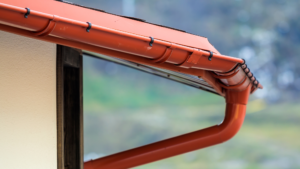
- Gutters: A system to direct rainwater safely away from your home’s foundation.
When these elements are properly integrated, your roof can withstand the toughest conditions. But if one fails, the entire system is at risk.
Visualizing the System: How the Pieces Fit Together
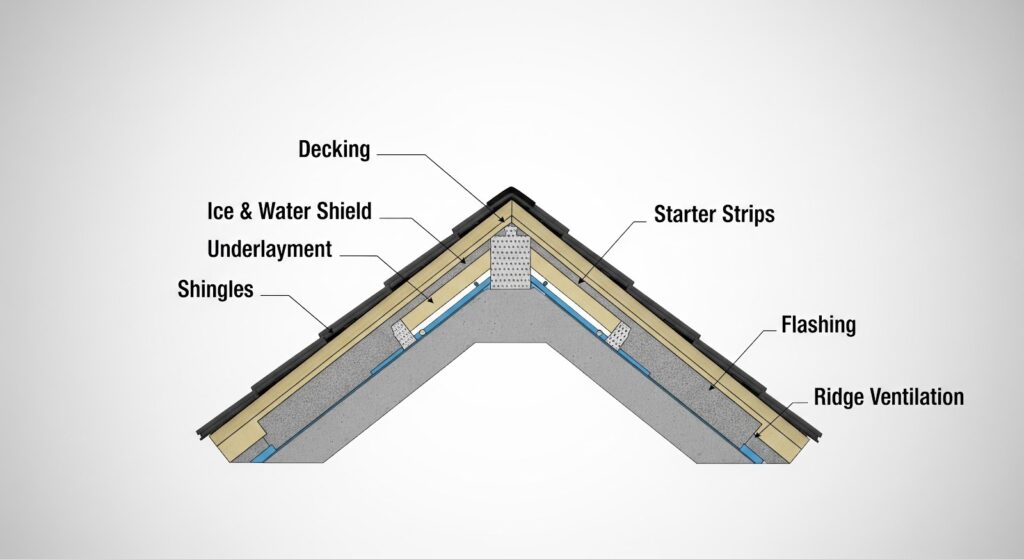
To truly understand roof component integration, it helps to see how everything connects. Imagine a cross-section of your roof; it’s not just a single layer, but a multi-layered shield designed for maximum protection.
Why Roof Component Integration Matters
Thinking of a roof as a single structure is a common mistake. In reality, small errors in coordination can lead to major problems. Here’s why proper integration is non-negotiable:
- Total Leak Prevention: Seamless integration of flashing and underlayment leaves no gaps for water intrusion.
- Maximum Energy Efficiency: When ventilation and insulation are perfectly aligned, homes in Fenton or Valley Park avoid skyrocketing utility bills.
- Superior Durability: Coordinated systems distribute stress from wind and weather, extending the roof’s lifespan.
- Increased Resale Value: A professionally integrated roofing system gives potential buyers in St. Clair or Festus confidence in your home.
How Proper Integration Unlocks a True Lifetime Warranty
One of the most significant benefits of a fully integrated roofing system is its impact on your warranty. Most shingle manufacturers offer a basic, limited warranty on their shingles alone. However, when a certified contractor like Emmendorfer Exteriors installs a complete system where the underlayment, starter strips, shingles, and ventilation are all from the same manufacturer, you can qualify for an enhanced, non-prorated system warranty.
This means:
- Coverage for the Entire System: Not just the shingles, but all components are covered.
- Workmanship is Included: Our installation quality is backed by the manufacturer for up to 25 years or more.
- True Peace of Mind: A system warranty ensures that if one component fails, the entire system is protected. This is the ultimate assurance of long-term value.
Common Issues When Roof Components Aren’t Integrated
When integration isn’t a priority, homeowners face issues that compromise both comfort and safety:
- Leaks at roof valleys, chimneys, and skylights.
- Attic condensation, leading to dangerous mold growth.
- Shingle blow-offs during high winds.
- Ice dams in winter caused by poor insulation and ventilation.
- Foundation erosion from uncoordinated gutters.
These problems are common in older homes across Gerald, DeSoto, and Pevely, where roofs may have been installed without today’s advanced integration practices.
The Difference in Detail: Good vs. Bad Integration
The difference between a roof that lasts a decade and one that lasts a lifetime is in the details. Here’s what proper integration looks like compared to the shortcuts taken by other contractors.
- Chimney Flashing:
- BAD: Old flashing is reused and sealed with tar, which cracks and fails under Missouri’s sun.
- GOOD (The Emmendorfer Way): We install a new, multi-part flashing system (apron, step, and counter-flashing) that is physically integrated with both the chimney and the roof deck for a permanent, watertight seal.
- Roof Valleys:
- BAD: Shingles are cut hastily, with exposed gaps and heavy reliance on temporary sealant.
- GOOD (The Emmendorfer Way): A continuous metal or woven valley flashing system is installed beneath the shingles, creating a waterproof channel that directs water safely into the gutters.
How Emmendorfer Exteriors Ensures Perfect Integration
When we install or replace a roof, we follow a meticulous process to guarantee every component works together as intended.
Our Integration Inspection: A Deeper Look
It all starts with a world-class inspection that goes beyond a quick glance. We analyze your entire roofing system to identify hidden weaknesses. This includes a full deck and structure assessment, an in-attic analysis to check for ventilation and moisture, a component-by-component check of all materials, and the use of advanced drone technology for complex roofs in areas like Eureka.
Our Process
- Material Selection: We help you choose materials designed for durability and compatibility.
- Precision Installation: Our certified crews are trained to coordinate shingles, flashing, ventilation, and gutters with exacting detail.
- Quality Checks: Before we consider a job complete, we test every system to confirm successful integration.
- Homeowner Education: We walk you through how your new roofing system works so you can recognize any potential issues early.
A Case Study in Festus: From Persistent Leaks to Peace of Mind
A homeowner in Festus contacted us with a frustrating problem: a recurring leak in their living room ceiling that two different roofers had failed to fix.
- The Problem: Our comprehensive inspection revealed the root cause was poor integration. The previous installer had used cheap, tar-sealed flashing around the chimney. Water was bypassing the shingles and seeping directly into the decking.
- Our Integrated Solution: We carefully removed the shingles in the affected area, installed a high-performance ice and water shield, and custom-fabricated a new, multi-step flashing system for the chimney.
- The Result: The leak was permanently solved. The homeowner now has a secure, watertight roof and the peace of mind that comes from a job done right, from the decking up.
The Financial Case for Roof Component Integration
A roof is a major investment, and it’s tempting to focus only on the initial quote. However, a properly integrated roof saves you a significant amount of money over its lifespan.
- Lower Utility Bills: A balanced ventilation system keeps your attic cooler in the summer and prevents heat loss in the winter.
- Fewer Repair Costs: Seamless integration prevents the leaks and failures that lead to expensive emergency repairs.
- Longer Roof Lifespan: A roof that works as a system experiences less stress and lasts years, or even decades, longer, delaying the cost of a full replacement.
Signs You May Have Poor Roof Component Integration
If you notice any of these issues, your roof may not be functioning as a coordinated system:
- Hot or cold spots in your home
- Unexpectedly high utility bills
- Leaks or water stains near chimneys or skylights
- Visible mold or mildew in the attic
- Sagging or frequently clogged gutters
Seeing the Warning Signs? Don’t Wait for a Major Leak.
If you’re noticing any of these issues, your roof’s components may not be working together. These are early warnings of a system failure that can lead to costly damage.
Schedule a FREE, No-Obligation Roof Integration Inspection today. Our experts will provide an honest assessment and a clear plan to protect your home.
FAQs About Roof Component Integration
How often should I have my roof inspected for component integration?
Every 2–3 years, or after any major storm.
Does proper integration cost more than a standard installation?
Not necessarily. A quality contractor includes integration as part of their standard process. It saves a fortune in future repairs, making it the more valuable choice.
Can older roofs be upgraded for better integration?
Yes. Emmendorfer Exteriors frequently improves older systems in homes across Herculaneum and Gerald with modern materials and techniques.
Final Thoughts: A Smarter Way to Roof
For homeowners in Union, Washington, and our surrounding service areas, roofing isn’t just about shingles—it’s about systems. With proper roof component integration, your home gains a roof that performs better, lasts longer, and provides true peace of mind.
At Emmendorfer Exteriors, we specialize in coordinating every part of your roof to ensure nothing is left to chance.
Contact Emmendorfer Exteriors today to schedule a consultation and learn how roof component integration can protect your home for decades to come.