For homeowners in Union, Washington, Festus, St. Clair, Herculaneum, Gerald, Fenton, Valley Park, DeSoto, Pevely, and Eureka, understanding the different roof inspection types is key to maintaining your home’s value, safety, and performance. Every roof is different — and so are the inspection methods that keep it in shape.
At Emmendorfer Exteriors, we know that roof problems don’t always look the same. A small leak in one home might require a moisture inspection, while another property could benefit from a drone survey or structural analysis. Knowing which thermal roof inspection apply to your property can help you catch small issues early, save money on future repairs, and extend the life of your roof.
This guide will walk you through the main thermal roof inspections available to Missouri homeowners, what each involves, and how to decide which one is best for your property, and to learn more information, follow us on our Facebook Page.
What Is A Roof Inspection?
Before diving into the various thermal roof inspection, it’s important to understand the purpose of a roof inspection. A roof inspection is a detailed evaluation of your roof’s structure, materials, and performance. Its goal is to identify existing problems and potential risks — from missing shingles to underlying water damage or structural weakness.
Roof inspections are critical after storms, before home purchases, during maintenance planning, and when preparing for insurance claims. By understanding which thermal roof inspection suit your property’s needs, you can ensure your home remains secure and weather-ready year-round.
1. Visual Roof Inspection
The most common and straightforward among all thermal roof inspection is the visual inspection. During this process, a roofing professional examines your roof’s surface for visible issues like:
- Cracked, curling, or missing shingles
- Damaged flashing around chimneys and vents
- Moss, algae, or debris buildup
- Signs of roof sagging
- Exposed nails or lifted edges
Visual inspections are ideal for homeowners in Union and Eureka who want a quick yet thorough overview of their roof’s condition. At Emmendorfer Exteriors, we often perform these checks during seasonal maintenance or after heavy storms to assess any immediate repair needs.
2. Drone Roof Inspection
Drone inspections have become one of the most advanced roof inspection types used today. Instead of physically walking on the roof, drones capture high-resolution images and videos from every angle. This technology is especially useful for steep or large roofs that are difficult to access safely.
Our drone inspections provide:
- Detailed aerial imagery for documentation
- Safe assessment of hard-to-reach areas
- 360-degree analysis without damaging materials
In hilly or densely wooded towns like Valley Park and St. Clair, drone inspections allow homeowners to get a complete view of their roofs quickly and safely.
3. Thermal Roof Inspection
A thermal roof inspection, also known as an infrared inspection, is one of the most specialized thermal roof inspection available. This method uses infrared cameras to detect temperature variations on the roof’s surface, which can indicate moisture buildup, insulation gaps, or hidden leaks.
Why it matters:
- Detects hidden water damage under shingles
- Prevents mold growth caused by trapped moisture
- Identifies heat loss areas that affect energy efficiency
At Emmendorfer Exteriors, we use thermal technology for homes in Union and Fenton where frequent rain or humidity can cause hidden water intrusion.
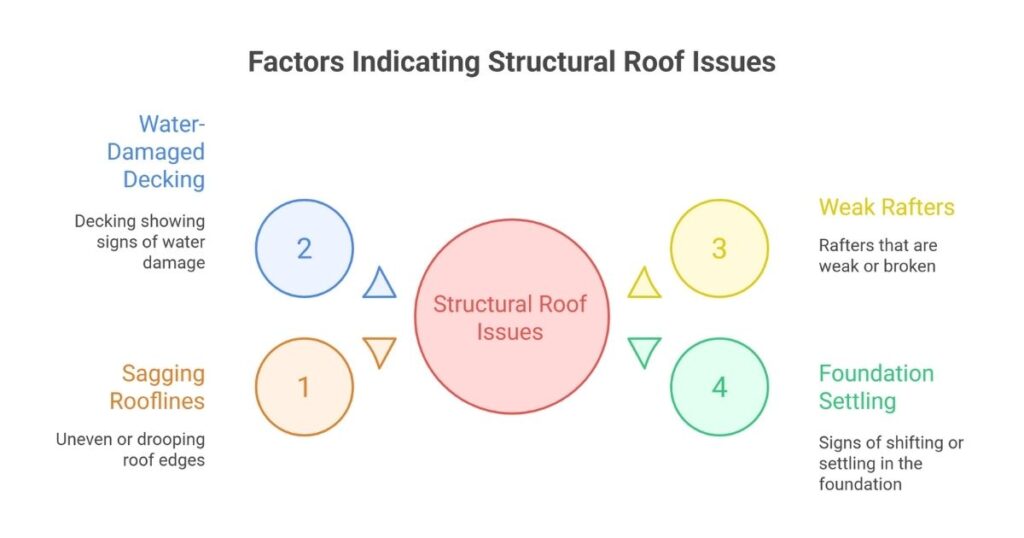
4. Structural Roof Inspection
Among all thermal roof inspection, structural inspections focus on the stability and load-bearing strength of the roof. This method looks beyond the surface to evaluate the framing, trusses, decking, and support beams.
5. Storm Damage Roof Inspection
Missouri weather is unpredictable. From hail and high winds to heavy rains and ice, your roof takes a beating. That’s why a storm damage assessment is one of the most essential thermal roof inspection we offer.
This inspection looks for:
- Impact dents from hail
- Lifted or torn shingles from wind
- Damaged flashing and gutters
- Hidden moisture beneath surface materials
Emmendorfer Exteriors performs post-storm inspections across Union, Washington, and Pevely to help homeowners document damage for insurance claims and plan prompt repairs before leaks or structural issues worsen.
6. Maintenance Roof Inspection
A maintenance inspection focuses on identifying early signs of wear and tear before they become costly problems. It’s one of the most proactive thermal roof inspection you can schedule.
We check for:
- Deteriorating sealant or flashing
- Gutter blockages
- Loose fasteners
- Signs of corrosion or aging materials
For homeowners in Fenton and Valley Park, where seasonal storms and humidity are common, regular maintenance inspections ensure your roof remains in top condition year after year.
7. Real Estate Roof Inspection
If you’re buying or selling a home, a real estate inspection is one of the most critical thermal roof inspection to consider. It ensures transparency in property condition and protects both buyers and sellers from unforeseen expenses.
During this inspection, our team evaluates the entire roofing system — materials, drainage, ventilation, and structure — to confirm that the roof meets safety and insurance standards.
Buyers in Festus or St. Clair often request this inspection before closing, while sellers use it to address potential issues early and improve their home’s market value.
8. Insurance Claim Roof Inspection
After a major storm or accident, an insurance inspection is essential. This is one of the thermal roof inspection that focuses on documentation and evidence gathering. Insurers require accurate, detailed reports to process claims quickly.
Our certified inspectors provide:
- Photographic evidence of damage
- Precise measurements of affected areas
- Written reports outlining causes and repair needs
Emmendorfer Exteriors works directly with homeowners in Union and surrounding towns to ensure claims are properly documented and submitted, helping you get the coverage you deserve.
9. Energy Efficiency Roof Inspection
This lesser-known but increasingly popular category among roof inspection types assesses how well your roof contributes to your home’s overall energy performance.
An energy efficiency inspection looks for:
- Poor insulation areas that cause heat loss
- Ventilation issues leading to attic overheating
- Roofing materials that affect solar reflectivity
10. Commercial And Multi-Unit Roof Inspection
Though many of our clients are residential homeowners, Emmendorfer Exteriors also performs inspections for multi-family and commercial buildings. These thermal roof inspection require additional attention to drainage systems, flat roofing membranes, and load-bearing performance.
For large properties in Union or nearby business districts, our commercial inspection services ensure compliance with building codes, insurance requirements, and long-term maintenance planning.
Why Different Roof Inspection Types Are Important
Every home is different — which means every roof has its own inspection needs. By understanding the various thermal roof inspection, you can take a proactive approach to home care.
Here’s why variety matters:
- Customization: Some roofs need thermal imaging, others only need a visual check.
- Accuracy: Certain thermal roof inspection reveal hidden problems that others might miss.
- Longevity: Different inspection approaches identify early damage, preventing expensive replacements.
- Documentation: For insurance or resale, detailed inspection reports protect homeowners financially.
When Should You Schedule A Roof Inspection?
While frequency depends on your roof’s age and material, we generally recommend:
- Twice yearly inspections: Once in spring and once in fall.
- After major storms: To check for hail or wind damage.
- Before selling or buying: To assess true property value.
- Every 5–7 years: For structural assessments and long-term maintenance planning.
Benefits Of Regular Roof Inspections
Regardless of which thermal roof inspection you choose, the benefits are significant:
- Prevents costly damage: Early detection avoids major repairs.
- Improves safety: Identifies weak areas that could cause leaks or collapse.
- Increases roof lifespan: Proper maintenance can extend roof life by a decade or more.
- Enhances property value: A well-maintained roof boosts resale potential.
- Supports insurance claims: Detailed inspection records strengthen coverage requests.
Emmendorfer Exteriors’ Roof Inspection Process
When you schedule an inspection with Emmendorfer Exteriors, our team follows a step-by-step process to ensure accuracy and thoroughness:
- Initial Consultation: We discuss your concerns, roof type, and history of past issues.
- On-Site Evaluation: Depending on the needed thermal roof inspection, we perform visual, drone, or thermal assessments.
- Damage Documentation: Photos and videos are taken for your records or insurance use.
- Detailed Reporting: You receive a clear report outlining findings and recommendations.
- Next Steps: We provide repair, maintenance, or replacement options tailored to your budget and goals.
Common Roofing Issues Found During Inspections
Through years of experience performing various thermal roof inspection, Emmendorfer Exteriors has identified some of the most frequent problems affecting Missouri homes:
- Missing or loose shingles after wind events
- Flashing separation around chimneys and vents
- Ponding water on flat or low-slope roofs
- Clogged gutters leading to water backup
- Early signs of decking rot or mold growth
Local Expertise For Union And Surrounding Areas
Homes in Union, Washington, and nearby communities experience a mix of weather conditions — from summer heat to winter snow and spring storms. That variation makes it crucial to use roof inspection types tailored to local climate challenges.
Our inspectors understand how Missouri’s weather patterns impact different roofing materials, whether asphalt shingles, metal panels, or composite systems. With this local expertise, Emmendorfer Exteriors delivers accurate assessments and long-lasting repair solutions designed for your specific home environment.
How To Choose The Right Roof Inspection Type For Your Home
Selecting from the many thermal roof inspection depends on your specific situation:
- Routine Maintenance: Choose visual or drone inspections.
- Suspected Leaks: Opt for thermal or moisture inspections.
- After Storms: Request storm damage or insurance inspections.
- Selling Or Buying: Schedule a real estate inspection.
- Energy Efficiency Goals: Ask for an energy audit-based roof inspection.
Final Thoughts: Protecting Your Home Through The Right Thermal roof inspection
Your roof protects everything underneath it — your family, belongings, and peace of mind. Understanding the different roof inspection types helps you make informed decisions about your home’s care.
At Emmendorfer Exteriors, we’re proud to serve Union, Washington, Festus, St. Clair, Herculaneum, Gerald, Fenton, Valley Park, DeSoto, Pevely, and Eureka with reliable, professional roofing services. Whether you need a basic visual check, a storm damage report, or a detailed thermal inspection, we provide expert guidance and unmatched attention to detail.
Schedule your roof inspection contact us today with Emmendorfer Exteriors — your trusted local experts in every kind of roof inspection type Missouri homeowners need.
Frequently Asked Questions About Roof Inspection Types
How often should I have my roof inspected?
We generally recommend a professional inspection twice yearly (spring and fall) and always after a major storm to check for damage.
What is the difference between a Visual and a Thermal Roof Inspection?
A Visual Inspection checks for visible surface issues (missing shingles, sagging). A Thermal (Infrared) Inspection uses specialized cameras to detect hidden problems like trapped moisture or missing insulation.
Does a Drone Inspection replace the need for a physical inspection?
Drone inspections provide safe, high-resolution aerial imagery for a complete view, especially on steep or large roofs. While incredibly thorough, a full assessment may still involve a limited physical check and interior/attic evaluation.
How long does a typical roof inspection take?
The time varies by roof size and inspection type. A standard visual inspection can take 30-60 minutes, while a detailed structural or thermal inspection may take longer.
What are the most common issues you find on roofs in the Union, MO area?
Due to Missouri’s unpredictable weather, we frequently find wind-lifted or missing shingles, hail impact damage, and flashing separation around chimneys and vents, which can all lead to leaks.
Will a roof inspection help with my home’s energy bills?
Yes, an Energy Efficiency Roof Inspection or a Thermal Inspection can identify poor insulation, inadequate ventilation, and areas of heat loss, helping you save money on heating and cooling costs.