Missouri weather is anything but predictable. Homeowners in Union, MO experience heavy spring rain, extreme summer heat, strong winds, hail storms, and freezing winters—sometimes all within the same year. These shifting weather patterns place constant stress on roofing systems.
That is why weather-related inspections—and especially roof inspection after hail storm events—are essential for protecting your home. Damage is not always visible, but it can worsen quickly if left unchecked.
At Emmendorfer Exteriors, we specialize in weather-specific roof inspections across Union, Washington, Festus, St. Clair, Herculaneum, Gerald, Fenton, Valley Park, DeSoto, Pevely, and Eureka. Our goal is simple: identify damage early, prevent costly repairs, and help homeowners stay protected year-round.
Understanding Weather-Related Roof Inspections
A weather-related roof inspection focuses on how environmental conditions impact roofing materials and structural integrity.
Unlike a basic visual check, this inspection evaluates damage caused by:
- Rain and moisture infiltration
- Wind uplift and debris impact
- Hail strikes and granule loss
- Heat expansion and UV exposure
- Ice, snow, and freeze-thaw cycles
Because Missouri experiences all four seasons intensely, roofs here require more frequent and targeted inspections than many other regions.
How Union’s Weather Shapes Roof Inspection Needs
Union, MO sits in a region prone to rapid weather changes and severe storms. According to regional climate data, hail and wind events are among the leading causes of roof damage in Franklin County.
Each season creates unique risks:
- Spring: Heavy rain and high winds expose weak shingles
- Summer: Heat and humidity degrade sealants and underlayment
- Fall: Debris buildup traps moisture and clogs gutters
- Winter: Ice dams and snow loads stress roof structures
Without seasonal inspections, small issues can quietly turn into major structural damage.
The Importance of Spring Roof Inspections
Spring inspections are critical after winter’s freeze-thaw cycles.

During this inspection, professionals look for:
- Cracked or brittle shingles
- Moisture intrusion from melting snow
- Loose flashing around chimneys and vents
- Granule loss from winter exposure
Scheduling a spring inspection prepares your roof for storm season and prevents leaks before heavy rainfall begins.
Summer Heat and Its Effect on Roofing Systems
Missouri summers bring prolonged heat and humidity.
These conditions cause roofing materials to expand during the day and contract at night. Over time, this movement leads to:
- Warped or curled shingles
- Blistering from trapped moisture
- Deteriorated sealants
- Poor attic ventilation
A summer weather-related inspection identifies heat stress and ventilation problems before they lead to premature roof failure.
Fall Inspections: Preparing for Winter Weather
Fall is the last opportunity to prepare your roof before winter.
During fall inspections, professionals focus on:
- Clearing leaves and debris
- Ensuring proper drainage
- Inspecting flashing and seals
- Checking insulation and ventilation
A fall inspection reduces the risk of ice dams, heat loss, and winter leaks.
Winter Inspections: Spotting Hidden Damage Early
Winter damage is often hidden until spring.

Common winter roof issues include:
- Ice dams blocking water drainage
- Cracked shingles from freezing temperatures
- Snow load stress on older roofs
- Attic condensation and frost buildup
Even limited winter inspections can identify warning signs before they worsen.
Should I Get My Roof Inspected After a Hail Storm?
Yes—always.
Roof inspection after hail storm events is non-negotiable, even if damage is not immediately visible.
Hail can:
- Bruise shingles without breaking them
- Strip protective granules
- Crack flashing and seals
- Weaken roofing layers over time
Many homeowners ask, “should I get my roof inspected after hail storm damage if there are no leaks?” The answer is yes. Hidden damage often appears months later.
Why Roof Inspection After Hail Storm Is Critical
A professional roof inspection after storm events looks for damage homeowners can’t see from the ground, including:
- Subsurface shingle bruising
- Granule displacement patterns
- Micro-fractures in flashing
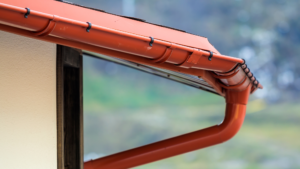
- Gutter and downspout dents
- Early signs of water intrusion
Prompt inspections protect both your roof and your insurance claim rights.
The Risk of Delaying Roof Inspection After Storm Damage
Waiting can cost thousands.
Delayed inspections allow moisture to enter weakened areas, causing:
- Mold growth
- Wood rot
- Structural damage
- Insulation failure
Insurance companies also impose strict deadlines. A timely roof inspection after a hail storm ensures proper documentation for claims.
What to Expect During a Roof Inspection After Hail Storm
When Emmendorfer Exteriors performs a storm inspection, we provide:
- Detailed roof surface evaluation
- Granule loss and shingle integrity checks
- Flashing and sealant inspection
- Gutter and drainage assessment
- Attic moisture and leak detection
- Photo documentation for insurance
This process gives homeowners clarity and confidence.
Humidity and Moisture: The Silent Roof Killers
Missouri humidity creates year-round moisture risks.
During inspections, we evaluate:
- Ventilation efficiency
- Attic humidity levels
- Insulation performance
Balanced airflow prevents mold, mildew, and premature roof aging.
How Often Should You Schedule Roof Inspections?
Recommended schedule:
- Twice per year: Spring and fall
- Immediately after severe weather: Especially hail or high winds
If you’re asking “should I get my roof inspected after hail storm damage?”—the answer is yes, and as soon as possible.
Benefits of Weather-Related Roof Inspections
- Prevent expensive repairs
- Protect home value
- Improve energy efficiency
- Extend roof lifespan
- Reduce insurance claim stress
- Gain peace of mind
Why Homeowners Trust Emmendorfer Exteriors
We are locally owned and understand Missouri’s weather challenges.
Homeowners trust us because we offer:
- Honest assessments
- Storm-specific expertise
- Fast response times
- Insurance-ready documentation
- Long-term protection strategies
From Union to Eureka, we protect homes with precision and care.
Signs You Need a Roof Inspection
- Missing or curled shingles
- Ceiling stains or attic leaks
- Granules in gutters
- Sudden increase in energy bills
- Recent hail storm in your area
If these appear, schedule a roof inspection after storm damage immediately. Connect With Us on Social Media for Storm Alerts & Roofing Tips
FAQ Section
1. Should I get my roof inspected after hail storm damage?
Yes. Hail damage is often hidden and worsens over time.
2. How soon should I schedule a roof inspection after a storm?
Within days of the event for best documentation and prevention.
3. Can small hail really damage a roof?
Yes. Even small hail can bruise shingles and reduce lifespan.
4. Does insurance require a roof inspection after a hail storm?
Most insurers strongly recommend documented inspections.
5. How long does a roof inspection take?
Typically 45–90 minutes depending on roof size.
6. Are weather-related roof inspections worth it?
Absolutely. They prevent major repairs and protect home value.
Conclusion
Missouri’s unpredictable weather makes proactive roof care essential. From intense heat to hail storms and freezing winters, every season impacts your roof differently.
The real question is not “should I get my roof inspected after a hail storm?”—it’s how fast you can schedule it.
At Emmendorfer Exteriors, our weather-related roof inspections and roof inspection after hail storm services help homeowners prevent damage, protect insurance claims, and extend roof life.
Don’t wait for leaks to appear. Schedule your inspection today and protect your home with confidence.