At Emmendorfer Exteriors, we know that safety and craftsmanship go hand in hand. When working on rooftops in Union, Washington, Festus, St. Clair, Herculaneum, Gerald, Fenton, Valley Park, DeSoto, Pevely, and Eureka, nothing is more important than protecting both workers and homeowners. One of the most effective ways to ensure this is by properly installing and integrating roof anchor systems.
Roof anchor systems are vital components of fall protection setups. They provide secure attachment points for lifelines, harnesses, and other safety gear, allowing workers to move confidently while performing repairs, replacements, or maintenance. Understanding how roof anchor systems work, how they’re installed, and why they matter can give homeowners peace of mind that every project is completed safely and efficiently.
Understanding Roof Anchor Systems
Roof anchor systems are designed to prevent falls from heights by providing stable connection points for personal fall arrest systems. These anchors can be permanent or temporary, depending on the nature of the roofing project and the structure’s design.
A permanent roof anchor system is typically installed during roof construction or replacement. It becomes part of the building’s long-term safety infrastructure, allowing future maintenance or inspections to be conducted safely. Temporary anchors, on the other hand, are installed for short-term work such as minor repairs or gutter maintenance and are removed afterward.
Regardless of the type, all roof anchor systems must meet OSHA and ANSI safety standards to ensure reliable performance in real-world conditions. The goal is simple—create a secure attachment point that can withstand the forces generated during a fall without compromising the structure of the roof itself.
The Importance of Roof Anchor Systems in Roofing Projects
Every roofing project involves working at elevated heights. Whether it’s a minor shingle replacement or a full roof installation, there’s always a level of risk involved. Roof anchor systems play a crucial role in minimizing these risks.
For homeowners in Union, Washington, and nearby communities, roof anchor systems provide assurance that the crew working on their property follows best practices in safety. This not only protects workers but also prevents potential liability or damage.
By integrating roof anchor systems during installation, roofing companies like Emmendorfer Exteriors demonstrate a commitment to both safety and quality. Proper safety measures help ensure work is completed efficiently, with fewer delays or accidents.
Types of Roof Anchor Systems
Different types of roof anchor systems are available depending on the structure, roof type, and safety requirements. Choosing the right system is essential for proper integration and long-term performance.
1. Permanent Anchors
These are installed into the roof’s structure and remain in place permanently. They’re ideal for buildings that require regular roof maintenance such as solar panels or HVAC units.
2. Temporary Anchors
Temporary roof anchor systems are easy to install and remove after work is completed. They’re perfect for short-term projects like inspections or localized repairs.
3. Fixed-Point Anchors
Fixed anchors are attached at one location and do not move. Workers connect their lanyards or lifelines directly to the anchor point.
4. Mobile Anchors
Mobile systems can be repositioned across the roof surface, providing flexibility during large projects where movement is frequent.
5. Horizontal Lifeline Systems
These connect multiple roof anchor points with a tensioned cable, allowing workers to move along the roof without disconnecting their harness.
Each type of roof anchor system must be properly selected and installed based on roof pitch, material, and access points.
Integrating Fall Protection During Roof Installation
At Emmendorfer Exteriors, we treat safety as part of the installation process, not an afterthought. Integrating fall protection early ensures the roof anchor systems blend seamlessly with the structure’s design and function.
Here’s how fall protection is integrated during a typical installation:
- Assessment and Planning
Before starting work, our team evaluates the roof’s slope, material, and access points to determine the appropriate type and placement of roof anchor systems. - Engineering and Design Considerations
Anchors must attach to structural components like rafters or trusses. We ensure that load-bearing capacity meets or exceeds safety standards. - Anchor Placement
Anchors are strategically located to allow workers continuous coverage without needing to detach and reattach frequently. Placement depends on the shape of the roof and the nature of the work. - Testing and Verification
Once installed, each anchor is tested for load resistance to confirm compliance with OSHA regulations. - Worker Training
Proper use of roof anchor systems is as important as installation. Workers are trained to inspect anchors, attach lifelines correctly, and use fall arrest gear properly. - Ongoing Maintenance
For permanent systems, Emmendorfer Exteriors offers periodic inspections to ensure the anchors remain secure and effective.
This systematic approach guarantees not just compliance, but genuine safety throughout every project in Union and neighboring cities.
Roof Anchor Systems and OSHA Standards
The Occupational Safety and Health Administration (OSHA) sets strict requirements for working at heights. These include load capacity, installation methods, and inspection intervals for roof anchor systems.
According to OSHA, each anchor point in a fall arrest system must support at least 5,000 pounds per worker attached. Regular inspections before each use and annual professional evaluations are also required. Emmendorfer Exteriors follows these guidelines rigorously, ensuring every roof anchor system we install meets or exceeds federal safety standards.
By adhering to OSHA requirements, homeowners can rest assured that their project is not only completed safely but also meets legal compliance standards.
The Role of Roof Anchor Systems in Residential Projects
Many homeowners assume fall protection is only necessary for commercial construction, but roof anchor systems are equally vital in residential settings. Whether you live in Fenton, Eureka, or Valley Park, any roofing task performed above six feet requires some form of fall protection.
In residential projects, roof anchor systems are often installed temporarily but can be designed for permanent use, especially for multi-story homes or those with steep pitches. Integrating permanent systems can make future maintenance or gutter cleaning safer and more efficient.
Homeowners also benefit from long-term value, as roof anchor systems reduce the risk of accidents, protect against potential liability, and show that the property was constructed with safety in mind.
Material Compatibility and Roof Design
Roof anchor systems must be compatible with the type of roofing material and design. For example:
- Asphalt Shingle Roofs: Require anchors that attach securely beneath shingles without compromising water resistance.
- Metal Roofs: Use anchors with clamps that attach to seams or ridges to avoid drilling holes.
- Tile Roofs: Need specialized anchors that attach beneath tiles to maintain structural integrity and aesthetics.
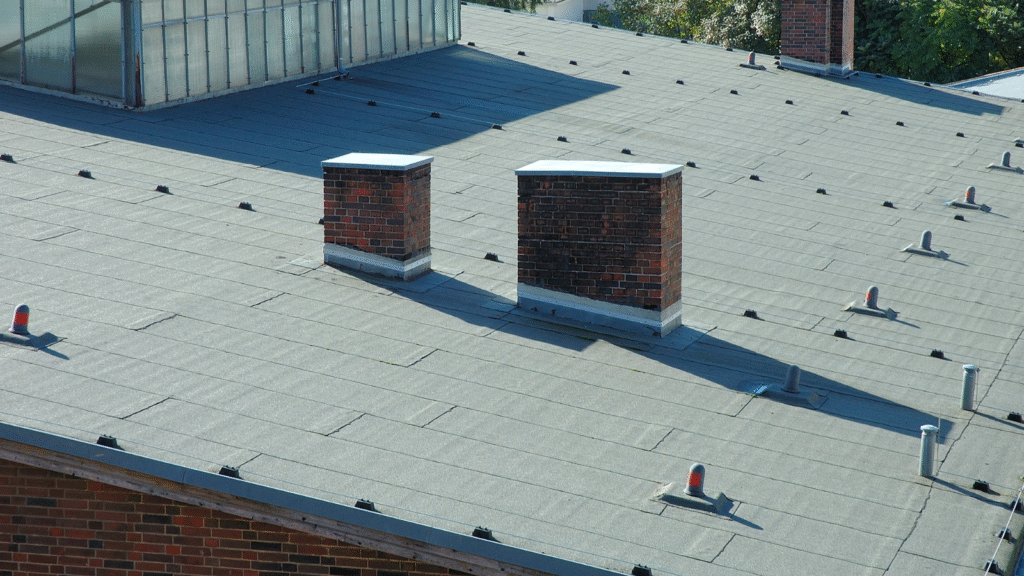
- Flat Roofs: Often incorporate permanent anchor plates or lifeline systems integrated into the roof membrane.
Our team at Emmendorfer Exteriors carefully selects and installs the correct type of anchor for every project to maintain both safety and visual appeal.
Maintenance and Inspection of Roof Anchor Systems
Even the strongest roof anchor systems require periodic inspection. Weather, corrosion, and regular use can weaken components over time. During each maintenance cycle, our team checks for:
- Loose bolts or fasteners
- Corrosion or rust on metal anchors
- Signs of roof material damage
- Worn or frayed lifelines
Annual professional inspection ensures that your roof anchor systems remain compliant and ready for use whenever needed.
Benefits of Integrating Roof Anchor Systems
Integrating roof anchor systems into the roofing process provides several advantages beyond safety.
- Enhanced Worker Confidence
Roofers can focus on precision and quality rather than worrying about stability or safety risks. - Faster Project Completion
When safety systems are built into the workflow, teams can work efficiently without unnecessary interruptions. - Improved Homeowner Safety
If you or a maintenance professional need to access your roof in the future, a pre-installed anchor system provides safe attachment points. - Long-Term Property Value
A home equipped with roof anchor systems shows that it was built or maintained with modern safety standards, which can improve resale appeal. - Reduced Liability Risks
Homeowners and contractors alike are protected from potential injury claims when proper fall protection measures are in place.
In every city we serve—from Union and Washington to Pevely and DeSoto—our goal is to combine safety, durability, and trust in every project.
The Installation Process for Roof Anchor Systems
Installing roof anchor systems is a precise task that requires experience and attention to detail. At Emmendorfer Exteriors, our process includes:
- Initial Site Evaluation
We inspect the home’s design, structure, and roof slope to determine optimal anchor locations. - Selection of Appropriate Anchors
Depending on whether the system is temporary or permanent, we choose anchors that fit the roof’s materials and expected loads. - Installation of Anchors
Anchors are mounted directly to structural members using manufacturer-specified fasteners. All penetrations are sealed to maintain waterproofing. - Load Testing
Anchors are tested to confirm that they meet strength requirements. - Documentation and Certification
Homeowners receive detailed documentation of their installed roof anchor systems, including inspection schedules and maintenance recommendations. - Final Inspection
Before leaving the site, our team performs a safety check to ensure every anchor is properly installed and ready for use.
Choosing the Right Roof Anchor Systems for Your Home
Selecting the correct system depends on your roof’s material, slope, and maintenance needs. For example:
- Steep-Slope Roofs: Benefit from permanent anchors or horizontal lifeline systems.
- Flat Roofs: May use ballast-based systems that don’t penetrate the surface.
- Metal Roofs: Work best with seam-mounted or clamp-style anchors.
Our experts help homeowners make the right decision for their property, ensuring safety without compromising design or performance.
Common Mistakes to Avoid During Installation
Incorrectly installed roof anchor systems can do more harm than good. Common mistakes include:
- Installing anchors without attaching to structural supports
- Using incompatible materials that cause corrosion
- Neglecting regular inspections
- Failing to train workers on proper use
At Emmendorfer Exteriors, we follow strict safety and installation protocols to prevent these issues, ensuring every roof anchor system performs reliably for years.
Integrating Roof Anchor Systems in New Construction
New home construction offers the perfect opportunity to integrate permanent roof anchor systems. Doing so saves future time and expense by ensuring safe access for maintenance, solar panel installation, or seasonal cleaning.
Builders in Union and neighboring towns increasingly choose to incorporate these systems as part of their standard construction process. It’s a simple addition that provides long-term benefits for homeowners and contractors alike.
Roof Anchor Systems and Modern Roofing Technology
As roofing materials and methods advance, roof anchor systems evolve too. Modern designs feature corrosion-resistant metals, adjustable mounting plates, and flexible configurations that work with various roof types.
Emmendorfer Exteriors stays updated on the latest technology to ensure our roof anchor systems meet today’s safety and performance standards. From stainless steel anchors to advanced energy-absorbing cables, we provide the most durable options available for Missouri homeowners.
Why Homeowners Should Care About Roof Anchor Systems
It might seem like roof anchor systems only concern contractors, but they directly impact homeowners too. A well-installed safety system ensures that any future maintenance—such as cleaning gutters or inspecting chimneys—can be performed safely.
If your roof ever needs repairs, having pre-installed anchors saves time, reduces setup costs, and protects everyone involved.
In areas like St. Clair, Herculaneum, and Valley Park, where older homes may not have built-in fall protection, adding roof anchor systems can modernize safety standards without altering the property’s appearance.
Partnering With Emmendorfer Exteriors
When you hire Emmendorfer Exteriors, you’re choosing more than a roofing contractor—you’re choosing a partner who values your home’s safety as much as its beauty. Our experienced team specializes in designing and installing roof anchor systems that integrate seamlessly into any project, from simple maintenance to full roof replacements.
We take pride in serving homeowners across Union, Washington, Festus, and surrounding areas with professionalism, attention to detail, and a deep respect for safety.
Final Thoughts
Roof anchor systems are an essential part of modern roofing. They protect workers, safeguard homeowners, and ensure that every installation or maintenance project is performed safely and efficiently. Whether your home is in Union, Eureka, Fenton, or DeSoto, integrating roof anchor systems during installation is an investment in both safety and peace of mind.
At Emmendorfer Exteriors, we believe safety shouldn’t be optional—it should be built into every roof we install. If you’re planning a new roof or want to learn how roof anchor systems can enhance your property’s safety, contact us today. We’ll ensure your home remains as secure as it is beautiful.