Homeowners in Union, Washington, Festus, St. Clair, Herculaneum, Gerald, Fenton, Valley Park, DeSoto, Pevely, and Eureka know all too well how unpredictable Missouri weather can be. Heavy rainfall, wind-driven storms, freeze-thaw cycles, and sudden temperature changes all contribute to roof deterioration. Because of this, water damage prevention inspections are essential for protecting homes across the region.
Water damage isn’t always obvious. A small crack, a loose shingle, or a damaged flashing seam can allow moisture to enter the roof structure. Over time, that moisture can lead to mold, rot, structural weakening, stained ceilings, and costly repairs. Roof inspections help catch these issues early before they grow into major problems.
Emmendorfer Exteriors has seen firsthand how quickly a minor leak can turn into a major issue. With professional water damage prevention inspections, homeowners gain clarity, peace of mind, and a stronger understanding of the condition of their roofing system.
How Water Damage Starts in Missouri Homes
Water damage typically begins with small, hidden vulnerabilities. Missouri’s climate plays a major role in creating these weak points.
Common Causes of Water Damage
- Wind-lifted shingles
- Damaged or missing flashing
- Clogged gutters and downspouts
- Ice dams during winter
- Aging roofing materials
- Moss growth and debris buildup
- Poor attic ventilation
- Cracked seals around vents and pipes
Because many of these problems start small, water damage prevention inspections are necessary for detecting early signs homeowners typically miss.
Why Homeowners Often Don’t Notice Water Damage
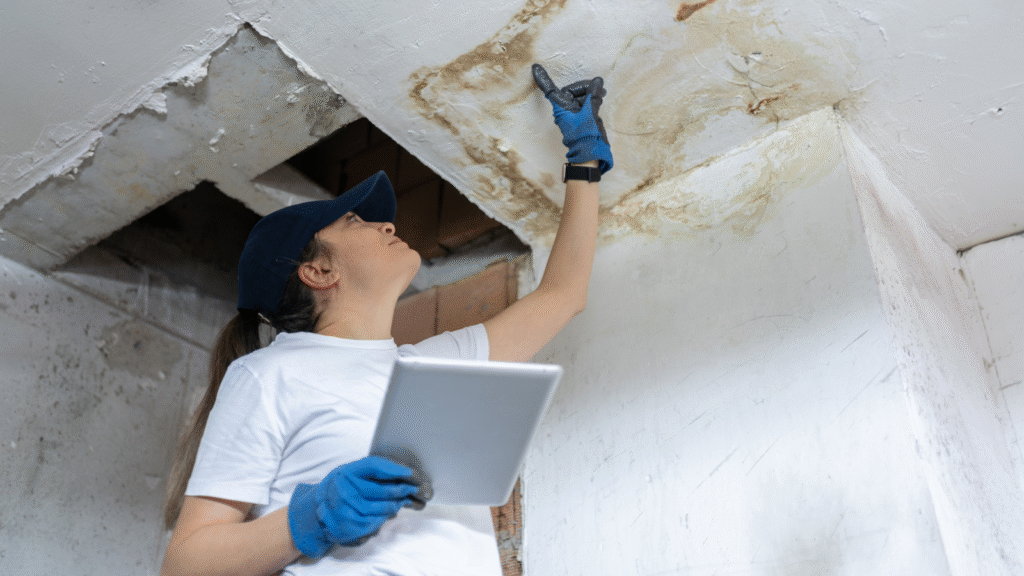
Water enters slowly and silently. It typically travels along rafters or insulation before appearing inside the home. By the time a stain appears on a ceiling, moisture damage has already been spreading behind the scenes. Regular inspections provide visibility into these hidden areas long before costly damage occurs.
The Role of Roof Inspections in Protecting Your Home
A comprehensive roof inspection evaluates the entire roofing system, identifying weaknesses that could lead to leaks, mold, or structural damage.
Key Components of an Effective Roof Inspection
- Surface condition of shingles or roofing material
- Flashing around chimneys, vents, skylights, and walls
- Gutter performance and drainage
- Roof deck stability
- Moisture barriers and underlayment condition
- Attic ventilation and airflow
- Structural integrity of trusses and rafters
In communities like Eureka, Washington, and Fenton—where storms frequently test roof durability—these inspections form the backbone of water damage prevention inspections.
Identifying the Early Warning Signs of Water Damage
Early detection is the core of successful prevention. Professional inspections reveal signs such as lifted shingles, worn granules, rusted flashing, soft decking, moldy insulation, and moisture seepage.
Even small issues like loose ridge caps or deteriorating caulk can allow water to enter. When discovered early through water damage prevention inspections, these problems can be repaired affordably—preventing larger structural concerns.
Why Seasonal Roof Inspections Are Essential
Seasonal inspections are crucial for homes in Union, Washington, and the surrounding Missouri towns. Seasonal weather creates different types of strain on roofing systems.
Spring Inspections
Spring storms bring heavy rain and wind. Inspections ensure winter damage hasn’t created new vulnerabilities.
Summer Inspections
Heat causes roofing materials to expand, which can reveal cracking or weakening.
Fall Inspections
Clearing debris, leaves, and branches helps prevent clogs and moisture backup.
Winter Inspections
Freeze-thaw cycles can create ice dams and hidden cracks. Inspecting before winter reduces the risk of cold-season water intrusion.
Routine seasonal evaluations are one of the most effective ways to maintain long-term water damage prevention inspections.
How Storms Impact Roof Integrity
Storms are a major cause of roof deterioration across Festus, St. Clair, Union, and Washington. After a major weather event, roofs may suffer from torn shingles, water infiltration, flashing separation, or gutter overflow.
Inspectors look for:
• Wind-driven lifting
• Hail dents or bruising
• Soaked underlayment
• Exposed seams
• Water pooling
• Debris blockage
Because storm damage is unpredictable, storm-specific water damage prevention inspections help catch issues immediately after severe weather.
The Importance of Flashing in Water Damage Prevention
Flashing is one of the most common sources of roof leaks. Even a small tear or misalignment can allow water to enter the home.
Critical Flashing Areas Include:
- Chimneys
- Skylights
- Roof-to-wall intersections
- Valleys
- Roof vents
Homes in Valley Park, DeSoto, and Herculaneum with complex rooflines are especially vulnerable. Thorough flashing evaluations are essential in every round of water damage prevention inspections.
Gutters and Downspouts as Your First Line of Defense
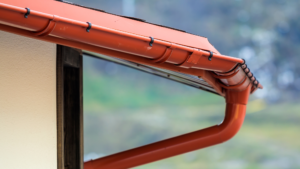
Gutters play a major role in channeling water away from the home. When clogged or damaged, water backs up beneath shingles or overflows along siding.
Gutter issues discovered during inspections may include:
• Sagging or loose gutters
• Blocked downspouts
• Incorrect slope
• Pulling away from fascia
• Water stains on siding
Homes surrounded by trees—such as those in Eureka and Pevely—must prioritize gutter maintenance as a key part of water damage prevention inspections.
Underlayment and Moisture Barriers
Underlayment is a critical barrier that protects your home when shingles fail. If it becomes damaged or worn, the roof becomes vulnerable even without visible shingle issues.
A professional inspector will evaluate:
• Tears or punctures
• Water staining
• Underlayment slippage
• Mold behind roofing layers
Underlayment integrity is essential for effective water damage prevention inspections and long-term roof health.
Attic Ventilation and Hidden Moisture
Moisture problems often begin in the attic. Poor ventilation leads to excess heat and condensation, which weakens roofing materials from the inside out.
Inspectors Check For:
- Mold on rafters
- Wet insulation
- Inconsistent airflow
- Blocked soffits
- Overheated or overly humid attic spaces
Homes in Fenton, Union, and Gerald particularly benefit from ventilation evaluations due to seasonal humidity swings. Proper ventilation supports all other water damage prevention inspections by reducing hidden internal moisture.
Detecting Roof Deck Deterioration
Roof deck issues are some of the most serious and expensive forms of water damage. Inspections identify soft spots, moisture retention, and structural weakness early.
If detected early, repairs are significantly less invasive. This is one of the reasons water damage prevention inspections are so valuable to homeowners across Missouri.
The Financial Benefits of Preventative Roof Inspections
Preventative inspections help homeowners avoid costly repairs by catching small issues before they escalate.
Savings from Early Detection
- Lower repair costs
- Fewer emergency interventions
- Longer roof lifespan
- Reduced risk of interior water damage
- Lower mold removal expenses
Homes in Washington, Union, and Festus often see the highest return on investment, as these areas experience frequent storms and rainfall.
Insurance and Documentation Advantages
Insurance companies often request inspection records when determining claim eligibility. Homeowners with strong documentation tend to receive better support.
Inspection documentation provides:
• Proof of maintenance
• Evidence of pre-storm condition
• Faster claims processing
These benefits reinforce why homeowners rely on thorough water damage prevention inspections year-round.
The Role of Professional Roofers in Water Damage Prevention
While DIY inspections can catch obvious problems, professional inspectors identify issues the average homeowner would never notice. Emmendorfer Exteriors uses advanced tools and trained eyes to provide accurate assessments.
Our inspections include:
• Moisture meter readings
• Drone overviews (when needed)
• Attic assessments
• Roof surface analysis
• Flashing evaluations
• Gutter flow testing
Professionals deliver more effective water damage prevention inspections than DIY checks, ensuring nothing gets missed.
How Emmendorfer Exteriors Supports Homeowners
Emmendorfer Exteriors has served Union, Washington, Festus, St. Clair, Herculaneum, Gerald, Fenton, Valley Park, DeSoto, Pevely, and Eureka for years. Our team specializes in identifying leaks early, reinforcing roof systems, and helping homeowners avoid costly water damage.
We help homeowners by:
• Performing detailed roof inspections
• Recommending affordable repairs
• Improving roof ventilation
• Replacing damaged shingles and flashing
• Installing protective underlayment
• Providing storm-ready solutions
Our mission is simple: safer homes and stronger protection through reliable water damage prevention inspections.
Final Thoughts for Missouri Homeowners
Water damage is one of the most destructive and expensive issues a homeowner can face. Fortunately, it is also one of the most preventable. Consistent water damage prevention inspections help identify vulnerabilities early, protect structural components, and preserve the lifespan of your roof.
Whether you live in Union, Washington, Festus, St. Clair, Herculaneum, Gerald, Fenton, Valley Park, DeSoto, Pevely, or Eureka, regular inspections give you the best chance of keeping your home safe, dry, and protected from unexpected roof leaks.