Your home’s siding acts as the first layer of protection against weather, moisture, and temperature changes. When damage begins to develop, the signs are often small and easy to ignore. However, identifying siding replacement indicators early can prevent serious structural damage and expensive repairs later.
Issues like cracks, moisture buildup, or energy loss can worsen over time if they are not addressed quickly. By recognizing these warning signs early, homeowners can protect their property, maintain energy efficiency, and avoid costly restoration work that could have been prevented with timely siding maintenance or replacement.
Visual Indicators: Cracks, warping, buckling, missing panels
One of the easiest siding replacement indicators to spot is visible damage on the exterior of your home. Over time, siding can begin to crack, warp, or buckle due to exposure to sun, wind, and temperature fluctuations. Cracks allow water and pests to enter behind the siding, which can lead to hidden structural problems.
Warping or buckling panels often indicate moisture buildup or poor installation, while missing or loose panels can expose the underlying structure to weather damage. When these visual issues appear across several sections of siding, it may be a sign that the material has deteriorated beyond simple repair.
Moisture Indicators: Mold, mildew, soft spots, bubbling
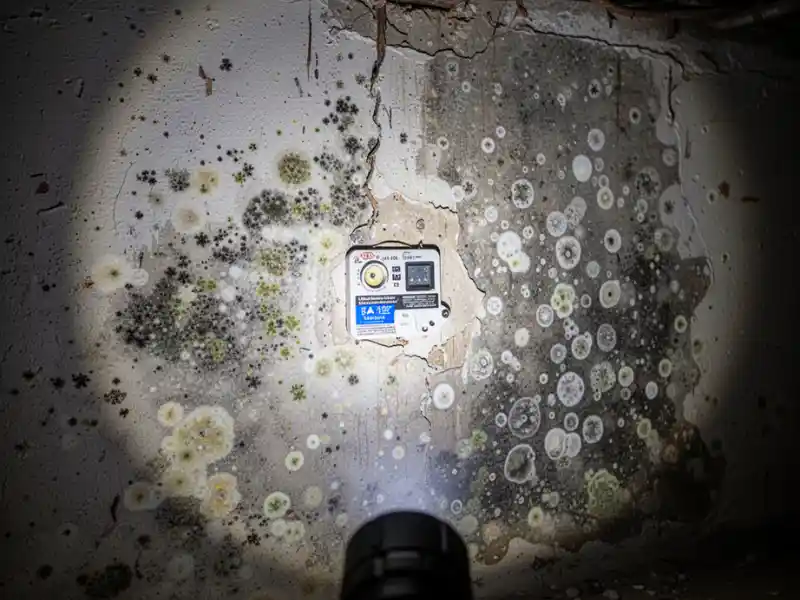
Moisture damage is another major sign that siding may need replacement. When siding fails to keep water out, mold and mildew can begin to form on the exterior surface or even inside the wall system. Bubbling paint, blistered siding surfaces, or soft spots in wood siding are strong indicators that moisture is trapped beneath the exterior layer.
These problems can worsen over time and eventually lead to rot, insulation damage, or indoor air quality issues. Because moisture can spread behind the siding, these types of siding replacement indicators should be addressed quickly to prevent more extensive structural damage.
Performance Indicators: Rising energy bills, drafts, and interior water stains
Not all siding problems are immediately visible from the outside. Sometimes the signs appear inside your home through reduced energy efficiency or comfort issues. If you notice rising heating and cooling bills, cold drafts near exterior walls, or water stains appearing on interior drywall, your siding may no longer be providing proper insulation and protection.
Damaged siding allows outside air and moisture to penetrate the wall system, which forces HVAC systems to work harder to maintain indoor temperatures. These performance-related changes often serve as hidden siding replacement indicators that your home’s exterior protection is weakening.
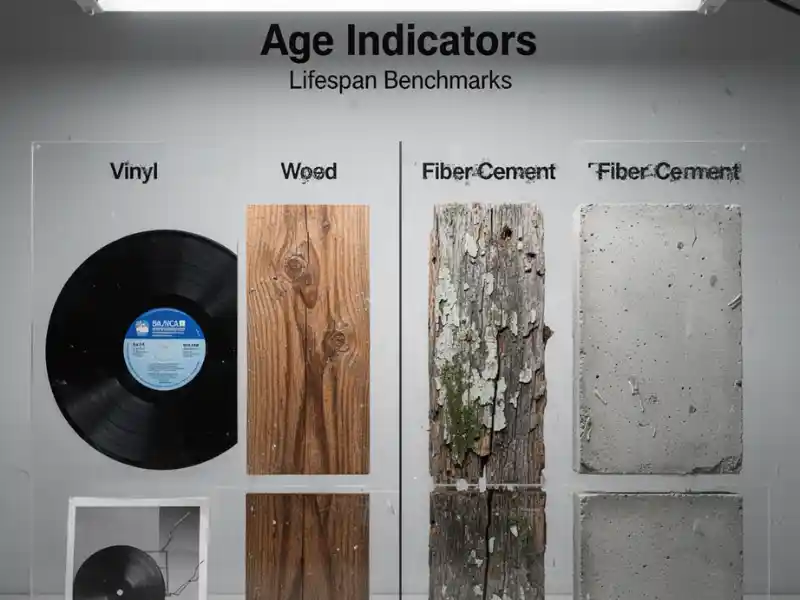
Age Indicators: Lifespan benchmarks by material (vinyl, wood, fiber cement)
The age of your siding is another important factor when evaluating its condition. Every siding material has an expected lifespan, and once it approaches that limit, deterioration becomes more likely.
Vinyl siding typically lasts between 20 and 40 years, wood siding generally lasts 15 to 30 years with proper maintenance, and fiber cement siding can last 30 to 50 years. If your siding is nearing or exceeding its expected lifespan and you are noticing visible wear or performance issues, it may be one of the most reliable indicators that it is time to upgrade your exterior materials.
Cosmetic Indicators: Severe fading, frequent repainting needs
Cosmetic changes can also signal deeper siding problems. Severe fading caused by years of sun exposure may indicate that the material is breaking down. Similarly, siding that requires frequent repainting or shows peeling and chipping paint may no longer hold coatings properly. While cosmetic issues may initially seem minor, they can reflect underlying deterioration of the siding material itself.
When fading, discoloration, or repeated repainting become common, these cosmetic changes can serve as additional siding replacement indicators that the exterior of your home may need attention.
Repair vs. Replace decision box
When siding damage appears, homeowners often wonder whether repair or full replacement is the better option. Repairs may be sufficient if the damage is limited to a small area and the siding is still structurally sound. However, when problems such as moisture damage, warping, widespread cracks, or declining energy efficiency occur across multiple sections of siding, replacement often becomes the more reliable long-term solution. Replacing aging or deteriorating siding can improve weather protection, increase energy efficiency, and restore the appearance of your home.
Schedule an inspection
If you have noticed cracks, moisture damage, fading panels, or higher energy bills, it may be time to evaluate the condition of your home’s siding. A professional inspection can identify hidden issues and determine whether repair or replacement is the best course of action. Scheduling a siding inspection today can help protect your home from costly structural damage and ensure your exterior remains strong, efficient, and visually appealing for years to come.
Final Thought
Paying attention to early siding replacement indicators can make a significant difference in protecting your home from long-term damage. Small warning signs like cracks, moisture buildup, fading panels, or rising energy bills often signal that your siding is no longer performing as it should. Addressing these issues early helps prevent structural damage, improves energy efficiency, and keeps your home looking its best.
If you have noticed any of these siding replacement indicators or simply want peace of mind about the condition of your exterior, it’s a good idea to have your siding professionally evaluated. Contact us today to schedule a siding inspection and get expert guidance on whether repair or replacement is the best solution for your home.
Join Our Community
Join our community on Facebook, and don’t forget to subscribe to us on YouTube for new content each week.
FAQs
1. What are siding replacement indicators?
Siding replacement indicators are warning signs like cracks, moisture damage, warping panels, or rising energy bills that suggest siding may need repair or replacement.
2. How do I know if my siding needs replacement?
Look for cracks, buckling panels, mold growth, fading, or high energy bills. These siding replacement indicators often signal that siding protection is failing.
3. Can damaged siding increase energy bills?
Yes. Damaged siding allows outside air to enter your home, reducing insulation efficiency and causing heating and cooling systems to work harder.
4. How long does siding typically last?
Vinyl siding can last 20–40 years, wood siding about 15–30 years, and fiber cement siding up to 50 years, depending on maintenance and weather exposure.
5. Should I repair or replace damaged siding?
If damage is limited to a small area, repair may work. If moisture damage, warping, or aging affects large sections, replacement is usually the better option.