Many property owners and facility managers focus heavily on visible repairs like cracks in walls, roof leaks, or flooring damage. However, one critical component of structural durability is often ignored: expansion joint maintenance. Expansion joints are designed to allow structures to expand and contract as temperatures change, preventing stress that could damage concrete, steel, or masonry.
When these joints are neglected, small issues can quickly develop into serious structural problems. Regular inspection and expansion joint maintenance help protect buildings, bridges, parking garages, and industrial facilities from costly damage while extending the lifespan of the structure.
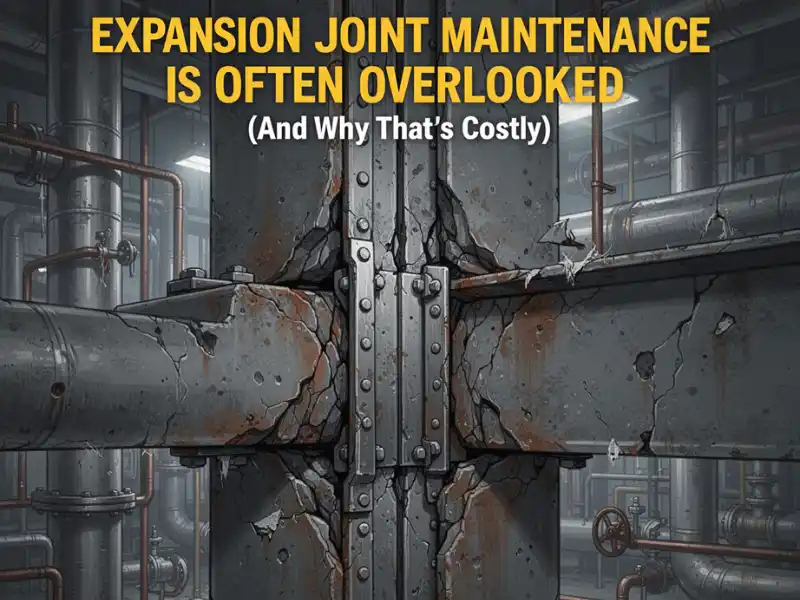
Why Expansion Joint Maintenance Is Often Overlooked (and Why That’s Costly)
Expansion joints are often located in areas that people rarely notice, such as between concrete slabs, along bridges, or within industrial systems. Since they are designed to quietly absorb movement and structural stress, problems can go unnoticed until serious damage has already developed.
When expansion joint maintenance is ignored, several issues can occur. Water may seep into the joints and weaken the concrete over time. Freeze-thaw cycles can cause further deterioration as trapped moisture expands and contracts. Structures may also begin to shift or develop cracks, which can compromise stability. As these problems grow, repair costs increase significantly.
Routine assessments and minor repairs are far more affordable than major structural restoration, making preventative maintenance a smart and cost-effective long-term investment.
What Are Expansion Joints?
Expansion joints are specially designed gaps placed between building materials to allow movement caused by temperature changes, structural loads, or vibrations.
Concrete Expansion Joints
Concrete surfaces expand in heat and contract in cold conditions. Without expansion joints, concrete slabs can crack or buckle under pressure. These joints are commonly found in sidewalks, driveways, parking structures, and building foundations.
Bridge Expansion Joints
Bridges experience constant stress from traffic loads, weather changes, and vibration. Bridge expansion joints allow controlled movement between bridge sections, preventing structural damage.
Pipe and Industrial Expansion Joints
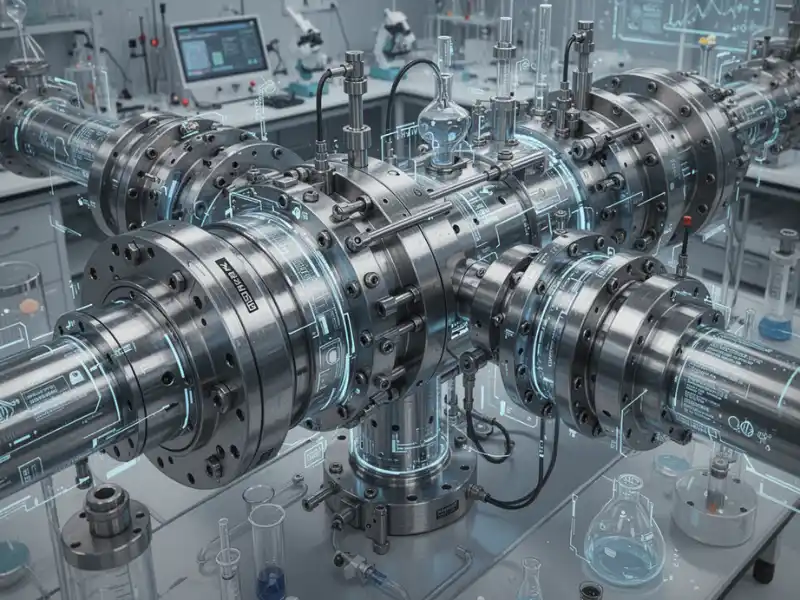
Industrial systems often rely on pipe expansion joints that absorb movement caused by pressure and temperature changes in pipelines. These joints protect piping systems from stress and mechanical failure.
Understanding these systems highlights why proper expansion joint repair and maintenance are essential for structural longevity.
Why Expansion Joint Servicing Matters
Structural Integrity
Expansion joints protect structures from internal stress. When joints fail, pressure builds up within building materials, often leading to cracks, displacement, or uneven surfaces.
Water Infiltration and Freeze-Thaw Damage
One of the most common issues with poorly maintained joints is water penetration. When water enters cracks and freezes during cold weather, it expands and causes concrete deterioration. Proper joint sealing and Expansion joint care prevent moisture intrusion.
Cost of Neglect vs. Cost of Upkeep
Neglecting maintenance may lead to concrete deterioration, structural instability, and costly, large-scale repairs over time. When expansion joints fail, pressure and moisture can damage surrounding materials, gradually weakening the structure. In contrast, regular joint inspections, cleaning, and sealing are simple and affordable preventative measures that help avoid major structural issues and are far less expensive than replacing damaged slabs or repairing critical structural systems.
Common Expansion Joint Problems
Even well-designed expansion joints can deteriorate over time due to environmental exposure, heavy loads, or aging materials.
Cracked or Deteriorated Sealant
Sealants eventually break down from UV exposure and temperature fluctuations. Once the sealant cracks, water infiltration becomes likely.
Water Infiltration
Moisture entering expansion joints can weaken concrete and promote corrosion in reinforcing steel.
Vegetation Growth
Plants and weeds often grow inside neglected joints. Their roots expand within the gap, widening cracks and accelerating deterioration.
Material Wear
Traffic loads, vibration, and environmental exposure gradually wear down joint materials, reducing their ability to accommodate movement.
Sinking or Heaving
Unsealed joints allow water to erode soil beneath the slab. Over time, this can cause sections of concrete to sink or heave, creating uneven surfaces and structural stress.
Proper Expansion joint protection and repair prevent these issues from escalating into serious structural problems.
Expansion Joint Maintenance Checklist
- Inspect joints regularly
Check for cracks, missing sealant, debris buildup, or visible damage. - Clean the joint thoroughly
Remove dirt, debris, weeds, and old sealant using appropriate tools. - Check for water infiltration
Look for signs of moisture, staining, or erosion beneath the joint. - Repair damaged areas
Replace cracked or deteriorated sealant with high-quality joint sealant materials. - Monitor surrounding surfaces
Check for uneven slabs, heaving, or sinking near the joint. - Schedule routine inspections
Periodic inspections help detect small issues before they become costly repairs.
Consistent Expansion joint servicing ensures joints remain flexible and functional over time.
When to DIY vs. When to Call a Professional
DIY Maintenance
Basic joint care, such as cleaning debris, removing vegetation, and applying minor sealant repairs, can often be handled by property owners or maintenance teams.
Professional Services
However, certain situations require professional expertise. If you notice large cracks or structural displacement, it may indicate deeper structural stress that needs professional assessment. Extensive sealant deterioration is another sign that simple patch repairs may not be enough and full joint restoration might be required.
Structures such as bridges or industrial joint systems also demand specialized knowledge and equipment because of their complexity and heavy load exposure. Additionally, persistent water infiltration problems often signal underlying issues that need proper sealing systems and drainage solutions. Professional contractors use specialized equipment and high-quality materials to ensure long-lasting expansion joint repair and reliable structural protection.
Final Thought
Expansion joints may seem like small structural details, but they play a critical role in protecting buildings and infrastructure. Ignoring them can lead to costly damage, water infiltration, and structural instability.
Regular inspection, cleaning, sealing, and expansion joint maintenance help ensure your structure remains safe, durable, and efficient for years to come. By investing in preventative maintenance today, property owners can avoid expensive structural repairs tomorrow. If you notice signs of joint damage or want to schedule a professional assessment, contact us to discuss your Expansion joint protection and repair needs and protect your structure before minor issues turn into major repairs.
Join Our Community
Join our community on Facebook, and don’t forget to subscribe to us on YouTube for new content each week.
FAQs
1. What is an expansion joint inspection and repair?
Expansion joint inspection and repair involves inspecting, cleaning, and repairing joints so structures can expand and contract without cracking or structural damage.
2. Why are expansion joints important in concrete structures?
Expansion joints prevent stress buildup caused by temperature changes, helping concrete slabs and structures avoid cracking or structural damage.
3. How often should expansion joints be inspected?
Most expansion joints should be inspected at least once a year to detect sealant damage, debris buildup, or water infiltration early.
4. What are common problems with expansion joints?
Common issues include cracked sealant, water infiltration, vegetation growth, material wear, and uneven surfaces caused by soil erosion.
5. Can damaged expansion joints cause structural problems?
Yes. Neglected joints allow moisture and stress to damage concrete, leading to cracks, instability, and expensive structural repairs.