Many homeowners notice a stain on the ceiling and assume it’s only a small cosmetic problem. In reality, a ceiling stain roof issue is often a warning sign that water is entering your home somewhere above the ceiling.
Water intrusion from the roof can damage insulation, drywall, framing, and even electrical systems if it continues over time. What looks like a small stain today can quickly grow into a larger repair if the underlying cause is not addressed. That’s why it’s important to identify the source early and take action before the damage spreads.
What Does a Roof-Related Ceiling Stain Actually Look Like?
A ceiling stain caused by roof problems usually has some recognizable characteristics. Understanding these visual clues can help you determine whether you’re dealing with a ceiling stain roof issue or another problem. Roof-related stains are often brown, yellow, or tan in color and may appear as circular or irregular rings on the ceiling. These stains can slowly grow darker or larger over time, especially after rainstorms.
Their location can also offer clues. They commonly appear near exterior walls, roof valleys, chimneys, skylights, or roof vents where leaks are more likely to occur. In some cases, the drywall may feel soft or look bubbled, which happens when water has been trapped inside the ceiling for a while. When these signs appear together, they often indicate water entering from the roof above.
How to Tell If Your Ceiling Stain Is a Roof Issue vs. Plumbing vs. HVAC vs. Condensation
Not every ceiling stain comes from the roof. Several other household systems can cause similar marks, so it’s important to compare the circumstances around the stain. A ceiling stain roof issue usually appears after heavy rain or storms. If the stain grows darker or larger after rainfall, the roof is often the source. Plumbing leaks behave differently. They often appear directly below bathrooms, kitchens, or laundry rooms, and the stain may remain wet even when it hasn’t rained.
HVAC systems can also create stains if condensation lines clog or overflow. These stains often appear near air vents, air handlers, or ductwork areas. Condensation problems are another possibility, especially in homes with poor insulation or ventilation. In these cases, stains tend to appear during colder weather and may look lighter in color. Observing when and where the stain appears can help narrow down the true cause.
Step-by-Step: How to Trace the Source Yourself
If you suspect a ceiling stain or roof issue, there are a few steps you can take to investigate the source before calling a professional. Start by inspecting the attic directly above the stain using a flashlight. Look for wet insulation, water trails, or dark marks on the wooden rafters that might indicate water movement. Next, pay attention to timing. If the stain appears or grows after a rainstorm, this is a strong sign that the roof may be leaking.
You can also measure the location of the stain from nearby walls and then locate the same spot in the attic to narrow down the area of concern. While in the attic, check for nearby roof penetrations such as vents, skylights, or chimneys, since leaks often develop around flashing or seals in these areas. Keep in mind that water may travel along rafters before dripping down, so the entry point of the leak may actually be higher up on the roof than where the stain appears inside the house.
Red Flag Signs That Mean You Need a Pro Immediately
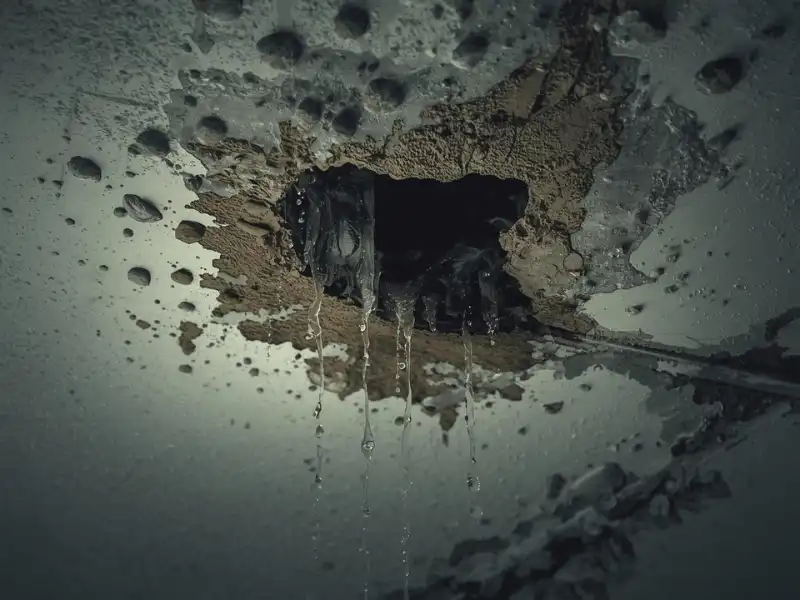
Some situations require professional help right away. Certain warning signs indicate that the problem may already be serious. If the stain grows rapidly after storms, the ceiling begins sagging, or water actively drips from the ceiling, you should contact a roofing professional immediately.
A strong mold or mildew smell near the stain is another warning sign that moisture has been trapped for a long time. Multiple stains appearing across different areas of the ceiling can also indicate widespread roof leakage. When these conditions appear, the ceiling stain roof fault may already be causing structural damage or mold growth, making professional inspection essential.
What Happens If You Ignore a Ceiling Stain Roof Issue
Ignoring a ceiling stain can lead to serious problems over time. Even a small leak can cause hidden damage inside your home if left unresolved. Moisture trapped inside drywall and insulation creates ideal conditions for mold growth.
Over time, water can also weaken wooden framing, roof decking, and ceiling joists, which may compromise the structural integrity of your home. Small roof leaks are usually simple and affordable to repair, but if the problem continues unnoticed, the damage can spread and lead to expensive restoration work. In some cases, water intrusion can even affect electrical wiring or ceiling fixtures, creating potential safety risks. Addressing a Concern early is the best way to avoid these complications.

Final Thought
A ceiling stain may seem like a minor cosmetic problem, but it often signals a deeper issue with your roofing system. Identifying the cause early can prevent larger repairs and help protect the safety and structure of your home.
If you notice signs of a ceiling stain or roof issue, scheduling a professional roof inspection is the best next step. An experienced roofing contractor can identify the source of the leak, evaluate any hidden damage, and recommend the right repair solution. If you’re concerned about a stain on your ceiling, feel free to contact us today to schedule a free inspection and get expert guidance on the best way to protect your roof and home.
Join Our Community
Join our community on Facebook, and don’t forget to subscribe to us on YouTube for new content each week.
FAQs
1. What causes a ceiling stain or roof Damage?
A ceiling stain or roof Leak is usually caused by roof leaks, damaged flashing, missing shingles, or poor roof ventilation, allowing water to enter the ceiling.
2. Is a ceiling stain always caused by a roof leak?
Not always. Ceiling stains may also come from plumbing leaks, HVAC condensation, or insulation problems, but roof leaks are one of the most common causes.
3. How can I tell if a ceiling stain is from the roof?
If the stain grows after rainfall or appears near roof slopes, vents, or chimneys, it may indicate a ceiling stain roof issue.
4. Can a small ceiling stain become a bigger problem?
Yes. Even a small ceiling stain may indicate ongoing moisture intrusion that can lead to mold growth, structural damage, and higher repair costs.
5. When should I call a roofing professional?
You should call a professional if the stain spreads, the ceiling begins sagging, or water drips during storms.