When it comes to roofing, success depends not only on the quality of materials or craftsmanship but also on timing and organization. Every step of the process matters — from the first shingle removed to the final nail placed. At Emmendorfer Exteriors, we’ve learned that a carefully planned approach saves homeowners in Union, Washington, and surrounding Missouri towns time, money, and stress. That approach is called installation sequencing, and it’s one of the key principles behind every roof project we complete.
For homeowners in Union, Festus, St. Clair, and Fenton, understanding system sequencing means understanding how your roofing project will unfold and what to expect from start to finish. Whether you’re preparing for a full roof replacement or a large-scale exterior renovation, this structured method ensures every phase of the job is handled efficiently and safely. Learn more about these phases and see project updates; follow us on our Facebook Page.
What Is Installation Sequencing?
System sequencing refers to the planned order of steps followed during a roof installation or replacement. It’s essentially a project roadmap that ensures materials arrive when needed, labor teams coordinate seamlessly, and every stage builds on the last. Without sequencing, roofing projects can suffer from delays, rework, or unnecessary expenses.
In practical terms, system sequencing means establishing a clear timeline that moves logically from preparation to completion — tear-off, underlayment, flashing, shingle installation, and finishing details. It also includes weather planning, crew scheduling, and safety coordination. At Emmendorfer Exteriors, we treat installation sequencing as the backbone of every roofing project in Union and nearby towns.
Why System Sequencing Matters
Homeowners often assume roofing success depends solely on materials, but organization is just as important. Proper system sequencing helps ensure your new roof performs as intended and lasts for decades.
1. Efficiency and Time Management
When each task is sequenced properly, work progresses without interruptions. Our crews in Union, Washington, and Eureka can plan ahead for deliveries, weather windows, and inspections. Efficient system sequencing reduces downtime, keeps labor costs predictable, and prevents your home from being exposed to the elements longer than necessary.
2. Quality Control
Each step in the process affects the next. If flashing is installed before the underlayment cures, for example, leaks may develop later. With proper system sequencing, every phase happens at the right time — no skipped steps or rushed finishes. It ensures long-term durability and consistent results across every roof we install.
3. Safety Assurance
Roofing projects involve ladders, tools, materials, and teamwork. Proper sequencing prevents congestion on-site and helps our crews stay organized. In towns like Fenton or Valley Park, where residential lots can be compact, having a controlled workflow keeps everyone safe.
4. Homeowner Confidence
When homeowners understand the system sequencing process, they feel more in control. You know when materials will arrive, when your roof will be removed, and when your property will be cleaned up. That transparency builds trust and minimizes stress.
The Phases of System Sequencing
At Emmendorfer Exteriors, our system sequencing plan follows several well-defined phases. These stages help us deliver consistent quality for every homeowner from Union to Herculaneum.
Phase 1: Planning and Preparation
Before a single nail is driven, our team meets with you to assess your roof’s current condition. We take measurements, review materials, and determine whether repairs or full replacement is best. This phase also includes scheduling and logistics.
Weather is a major factor in Missouri roofing. During this phase, our system sequencing considers the local climate in Union, Eureka, or St. Clair. We track forecasts to select the best installation window — ideally dry, mild days that prevent material damage.
Phase 2: Material Procurement
Roofing success depends on having the right materials available at the right time. Our suppliers coordinate with us so shingles, flashing, vents, and underlayment arrive just before installation begins. This ensures nothing sits exposed on your property for long. Proper system sequencing here prevents storage damage and keeps the work site clear and organized.
Phase 3: Site Preparation
We protect your landscaping, siding, and driveway before any work starts. Tarps and plywood sheets are placed strategically, and debris disposal systems are set up. By sequencing these steps carefully, we minimize property disruption for homeowners in Union, Washington, and DeSoto.
Phase 4: Tear-Off and Inspection
The removal phase is where the old roofing system comes down. During tear-off, we inspect the decking for rot, nail pops, or structural concerns. Installation sequencing dictates that decking repairs occur immediately before underlayment installation so the surface remains dry and secure.
If the decking passes inspection, we proceed directly to the underlayment phase. If not, repairs are completed the same day to avoid exposing your home overnight.
Phase 5: Underlayment and Flashing Installation
The underlayment acts as a secondary moisture barrier beneath your shingles. Our crews install synthetic or felt underlayment based on your roof type. Flashing is added around chimneys, valleys, and vents. The system sequencing here is critical — flashing must overlap correctly with the underlayment to ensure watertight protection.
Phase 6: Shingle or Material Installation
Once the foundation layers are complete, we move to visible materials such as asphalt shingles, metal panels, or specialty roofing products. Crews work methodically across the roof plane, following the precise sequence that ensures overlapping shingles resist water flow. This stage showcases why system sequencing is essential: even a single skipped step can lead to future leaks.
Phase 7: Ventilation and Accessory Installation
Proper ventilation is vital to the health of any roof. Ridge vents, soffit vents, and attic airflow components are installed according to manufacturer guidelines. The system sequencing ensures these additions happen before sealing and finishing, giving your roof the balance it needs for temperature control and energy efficiency.
Phase 8: Cleanup and Final Inspection
The last phase includes site cleanup, debris removal, and a comprehensive inspection. We use magnetic tools to collect nails, sweep driveways, and verify every flashing and seam. With precise system sequencing, cleanup happens immediately after construction, ensuring your property looks as good as it did before we arrived.
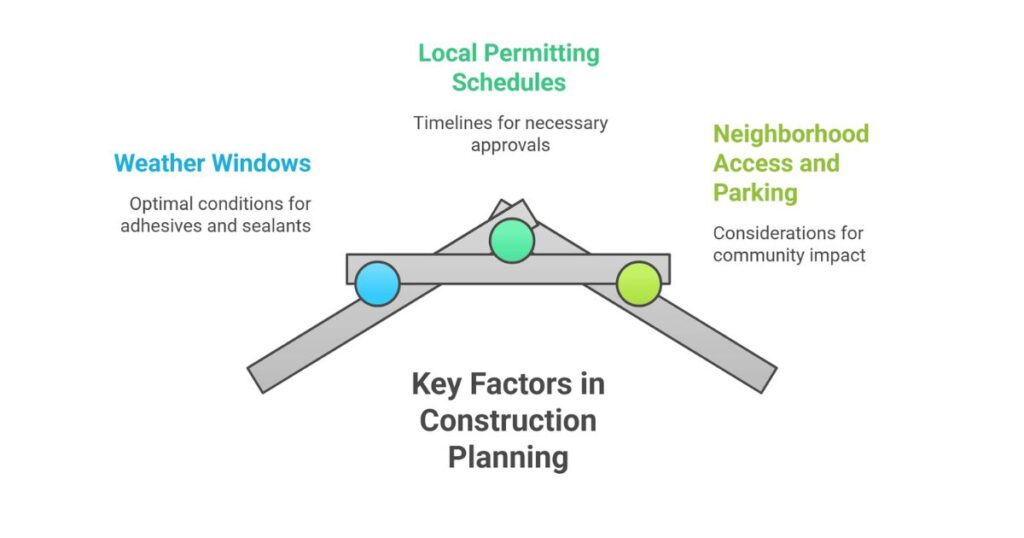
How Emmendorfer Exteriors Plans Each Project
Benefits of Proper System Sequencing for Homeowners
Shorter Project Timelines
A well-sequenced plan keeps every team on task and every delivery on time. This means your roofing project finishes faster, reducing the inconvenience of having construction at home. Homeowners in Union and Festus often appreciate our ability to start and finish within the agreed timeframe — no lingering equipment or half-finished sections.
Fewer Mistakes and Rework
Each roofing step builds on the last. If sequencing is ignored, materials can be misplaced or installed out of order. By sticking to strict installation sequencing, Emmendorfer Exteriors reduces rework and ensures your roof performs perfectly the first time.
Better Material Protection
Missouri’s weather can be unpredictable. Sequenced installations protect materials from unnecessary exposure. If rain moves in suddenly, our crew knows exactly which stage to pause and how to protect what’s already completed.
Cost Efficiency
Every delay increases costs. Proper system sequencing minimizes wasted labor and material damage, keeping the budget under control. When each day is planned in advance, expenses stay predictable and homeowners save money.
Enhanced Durability
Roofs built with structured sequencing last longer because each component is installed at the optimal time and under the right conditions. Homeowners in Valley Park or DeSoto can count on consistent workmanship and strong warranties backed by a clear installation record.
Weather and Timing Considerations in Missouri
Missouri’s mix of humidity, storms, and seasonal shifts makes timing an essential part of system sequencing. At Emmendorfer Exteriors, we carefully monitor forecasts to plan every stage.
Spring and fall typically offer the best balance of temperature and dryness, ideal for shingle adhesion and sealant curing. In summer, we start earlier in the day to avoid excessive heat, and in winter, we monitor surface temperatures to ensure materials bond properly.
By syncing each step of system sequencing with the weather, we maintain high-quality results year-round for homeowners across Union, Washington, and Eureka.
Communication: The Key to Seamless Sequencing
Transparency is a cornerstone of our work. Before installation begins, we share the full sequence with homeowners. This schedule outlines what will happen each day, what to expect from noise or equipment, and how long each phase will last.
Homeowners appreciate having this information upfront. When everyone understands the system sequencing, questions are minimized and the process runs smoothly. You’ll always know when crews arrive, when tear-off begins, and when to expect final cleanup.
Adapting System Sequencing for Different Roof Types
Every roofing material has unique requirements. Our sequencing adjusts to accommodate each one.
Asphalt Shingles: Quick installation and predictable curing times make sequencing straightforward. We often complete these projects within a few days.
Metal Roofing: Requires precision cuts and secure fastening systems. Sequencing ensures expansion joints and seams are installed under the correct weather conditions.
Flat or Low-Slope Roofs: These rely on layered membranes and adhesives that demand careful timing. System sequencing controls drying periods to achieve watertight performance.
Specialty Materials: Tile, slate, and synthetic roofs require staging areas for heavy materials and phased installation to prevent breakage. Sequencing helps us manage these delicate materials safely.
Common Mistakes Avoided Through Proper Sequencing
Poor planning can lead to project slowdowns or structural problems later. Some of the issues we avoid through consistent system sequencing include:
- Installing shingles before underlayment cures
- Overlapping flashing incorrectly
- Scheduling inspections too late in the process
- Delivering materials too early or too late
- Ignoring temperature thresholds for adhesives
- Inadequate cleanup after each phase
By sequencing each step logically, we prevent these avoidable mistakes and keep your roof’s warranty intact.
The Homeowner’s Role in System Sequencing
Homeowners play an important part in keeping system sequencing on track. Here’s how you can help:
- Clear your driveway for material deliveries
- Keep pets and children safely indoors during work hours
- Communicate with your project manager about preferred work times
- Notify us about sprinkler systems or delicate landscaping
Your cooperation allows our team to follow the planned sequence without interruption, ensuring a smooth and efficient roofing experience.
Long-Term Value of a Sequenced Installation
A roof installed with proper system sequencing doesn’t just perform better — it’s easier to maintain. Future inspections, repairs, or upgrades benefit from knowing exactly how and when each layer was installed. This documentation adds long-term value to your home and provides peace of mind for years to come.
When it’s time to sell, prospective buyers appreciate a well-documented installation process. Showing proof of sequencing, materials, and inspection reports reinforces your home’s value and structural reliability.
Why Homeowners Trust Emmendorfer Exteriors
For decades, Emmendorfer Exteriors has provided dependable roofing and exterior services across Union, Washington, Festus, and surrounding towns. We combine local craftsmanship with modern planning techniques to deliver roofs that last through Missouri’s toughest weather.
Our commitment to system sequencing reflects our broader mission: to protect your home through precision, professionalism, and communication. Every project follows a strict plan tailored to your roof’s structure, material type, and location.
Schedule Your Next Roofing Project
Whether you’re replacing an aging roof in Union or upgrading your home in Fenton, Emmendorfer Exteriors is ready to guide you through a seamless process built on proven installation sequencing. Our project managers handle every detail from planning to final inspection, ensuring your home receives the care it deserves.
Contact Emmendorfer Exteriors today, to schedule your roofing consultation. Let our experienced team show you how thoughtful system sequencing leads to faster, safer, and longer-lasting results for Missouri homeowners.
Frequently Asked Questions About Installation Sequencing
Q: What is “Installation Sequencing” in roofing?
A: It’s the planned order of steps for a roof project (tear-off, underlayment, etc.). It’s critical for efficiency, quality control, and safety.
Q: What are the main steps in the sequence?
A: Planning, Material Procurement, Site Preparation, Tear-Off/Inspection, Underlayment/Flashing, Shingle Installation, Ventilation, and Cleanup/Final Inspection.
Q: What happens if sequencing is ignored?
A: It causes leaks, structural damage, project delays, and costly rework. Components like flashing and underlayment must be installed in the correct order to ensure waterproofing.
Q: Why is weather important to sequencing?
A: Weather planning ensures the materials are installed during optimal conditions (dry, mild days) to allow proper curing and adhesion, maximizing the roof’s durability.
Q: How does sequencing save money?
A: It minimizes delays and rework, protects materials from damage, and ensures a longer-lasting roof, resulting in predictable labor costs and better long-term value.
Q: Does the sequence change for different roof types?
A: Yes. While the general phases are the same, the timing and specific steps are tailored for materials like metal, asphalt shingles, or flat roof membranes.