When it comes to protecting your investment, few things matter more than your roof. Yet many homeowners in Union, Washington, Festus, St. Clair, Herculaneum, Gerald, Fenton, Valley Park, DeSoto, Pevely, and Eureka overlook one critical detail roof home system documentation. Whether you’ve just built a new home, replaced your existing roof, or made significant repairs, having detailed records can save you money, time, and stress for years to come.
At Emmendorfer Exteriors, we know from experience that proper documentation isn’t just a formality. It’s the backbone of smart homeownership. In this guide, we’ll explain why roof system documentation is important, what it should include, and how homeowners in Union and surrounding communities can use it to their advantage. To learn more and stay informed, follow our Facebook page.
What Is Roof System Documentation?
Roof structure documentation is the detailed record of your roof’s materials, installation methods, warranty information, and any modifications made over time. Think of it as the blueprint and diary of your roof. For homeowners, this set of records becomes a reference point when selling a home, filing an insurance claim, or scheduling maintenance.
Without proper documentation, you’re often left guessing about critical details like:
- The age of your roof
- Type of materials installed
- Contractor responsible for installation
- Warranty coverage and expiration dates
- Records of previous repairs or inspections
For Union homeowners, where storms and seasonal weather changes are frequent, having accurate records on hand can make all the difference when urgent repairs are needed.
Why Roof System Home Documentation Matters For Homeowners
Simplifies Insurance Claims
Missouri weather is unpredictable. From hailstorms in Eureka to high winds in Festus, roof damage is a common issue. When you file a claim, insurance companies want roof of installation and maintenance. Roof structure documentation provides that evidence, helping claims move faster and reducing the risk of denial.
Increases Home Value
Buyers in communities like Valley Park, Washington, or DeSoto appreciate knowing the exact age and condition of a roof. When you can hand over organized documentation, it reassures potential buyers that the home has been well cared for. That peace of mind often translates into stronger offers.
Improves Maintenance And Repairs
Without documentation, roofers have to spend extra time figuring out what materials were used or how the system was installed. With records in place, contractors like Emmendorfer Exteriors can quickly identify your needs and provide cost-effective solutions.
Extends Roof Lifespan
By tracking maintenance and inspections, you’ll never miss key upkeep tasks. This proactive approach helps your roof last longer and perform better against Missouri’s harsh weather.
What Should Roof Structure Documentation Include?
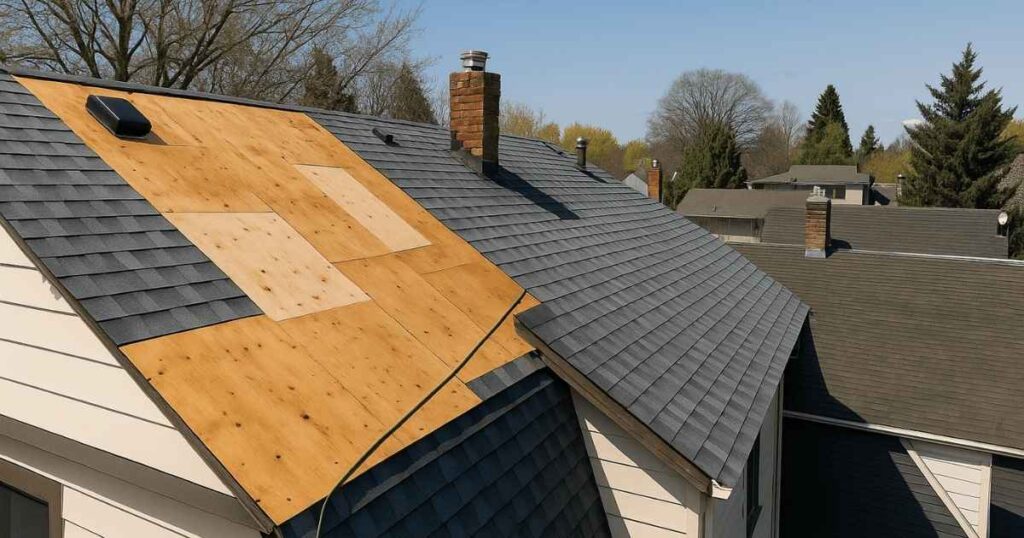
For homeowners in Union, Fenton, Gerald, or Eureka, the right documentation should cover every stage of your roof’s life. Here are the essentials: Roof structure documentation is vital for construction, maintenance, and compliance. It should primarily include detailed architectural and structural drawings showing member sizes, spacing, connections, and materials. Also, a materials list with specifications, engineering calculations confirming load capacity (dead, live, wind, snow), and installation instructions or sequences are necessary. Finally, documentation must cover relevant building code compliance and quality control information to ensure the roof is built safely and correctly.
Installation Records
These should include the contractor’s information, date of installation, permits pulled, and any city inspections completed. Documentation also needs to specify roofing materials used, such as shingle brand, underlayment type, ventilation systems, and flashing details.
Warranty Information
Keep copies of manufacturer warranties as well as workmanship guarantees from your roofing contractor. For example, a shingle brand may cover defects for 30 years, while Emmendorfer Exteriors provides a separate warranty on installation quality.
As-Built Drawings
As-built records show exactly how the roof was installed compared to original plans. These are especially important in custom homes around Union, Washington, and Festus where unique rooflines and architectural features exist.
Maintenance And Repair Logs
Every time work is performed—whether it’s a minor repair in Pevely or a full inspection in St. Clair—it should be documented. Dates, services performed, and materials used should all be logged.
Inspection Reports
Routine inspections, ideally scheduled every spring and fall, provide snapshots of your roof’s condition. Including photos strengthens your records and builds evidence of proper upkeep.
Roof Structure Documentation Across Different Home Types
Different homes across our service areas have different roofing needs, and their documentation should reflect that.
Single-Family Homes
Most homes in Union, Washington, and Fenton fall into this category. For these, homeowners should focus on maintaining clear installation records and a steady log of inspections.
Historic Homes
Communities like St. Clair and Herculaneum feature historic houses with slate, tile, or specialty roofing materials. Roof structure documentation here should emphasize material sources, repair techniques, and contractor expertise to preserve the property’s character.
Rural Farmhouses
In areas like Gerald and Eureka, rural properties often use metal roofing systems. Documentation should track fastener replacements, seam sealing, and coating applications, which are unique to metal systems.
Suburban Developments
Neighborhoods in Valley Park and DeSoto often use standard asphalt shingles. Records should include product batch numbers and warranty registration to simplify future claims.
The Role Of Roof Structure Documentation In Storm Recovery
Storm damage is one of the biggest reasons homeowners need organized roof records. Consider a scenario:
- A hailstorm hits Eureka and damages multiple homes.
- Two homeowners file claims. One has detailed roof structure documentation, the other does not.
- The documented homeowner provides proof of installation date, material type, and recent inspections. Their claim is approved quickly.
- The other homeowner spends weeks in back-and-forth with the insurance company.
This is a common outcome. For Union homeowners, storms aren’t a matter of if, but when. Documentation puts you ahead of the curve.
How Roof Structure Documentation Saves Money
Many people underestimate the financial advantages of keeping records. Here’s how documentation helps. The condition of your roof is critically dependent on its age and the type of materials installed. Furthermore, it is essential to have a record of the contractor responsible for the original installation. Keeping track of the warranty coverage and expiration dates is vital for future claims or maintenance planning. Finally, maintaining comprehensive records of all previous repairs or inspections ensures a complete history of the roof’s maintenance and performance. A small investment in organizing your roof’s history can save thousands over its lifetime.
Best Practices For Maintaining Roof Structure Documentation
If you’re just starting, here’s how to build your documentation:
- Create A Roof Folder
Keep digital and physical copies of all roof-related records in one place. - Log Inspections
After each inspection, note the date, findings, and recommendations. - Save Repair Invoices
Keep receipts and work orders from every contractor who touches your roof. - Update After Storms
If a storm impacts your property, document damages with photos and inspection reports immediately. - Review Annually
Take time once a year to review your folder and ensure nothing is missing.
Roof Structure Documentation And Home Resale
If you plan to sell your home in Washington, Festus, or Fenton, documentation can set your property apart. Many buyers hesitate when a roof’s age is unclear. With thorough records, you can confidently state the age, warranty coverage, and recent maintenance history. This transparency builds trust and often speeds up sales.
Local Factors That Make Documentation Essential
Union and nearby communities deal with a variety of roofing challenges:
- Union: Frequent storms mean more claims and the need for detailed inspection records.
- Washington: Mix of older and newer homes requires customized documentation styles.
- Festus: Storm-prone, making insurance-ready documentation critical.
- St. Clair: Historic homes demand precise material tracking.
- Herculaneum: River proximity increases exposure to wind-driven rain.
- Gerald: Rural homes often have barns or outbuildings requiring metal roof logs.
- Fenton: Suburban growth means resale competition, and documentation adds value.
- Valley Park: Heavy tree cover creates maintenance needs that should be recorded.
- DeSoto: Older neighborhoods benefit from consistent inspection reports.
- Pevely: Hail and storm-prone, making insurance-focused documentation vital.
- Eureka: Known for severe weather patterns; as-built drawings and inspections are key.
Partnering With Emmendorfer Exteriors For Documentation
At Emmendorfer Exteriors, we don’t just install or repair roofs. We provide homeowners with full documentation packages. That means:
- Detailed installation records with photos
- Copies of all permits and warranties
- Inspection and maintenance logs
- Organized digital folders for easy access
We also remind homeowners when it’s time for seasonal inspections so their roof system documentation stays up to date.
Final Thoughts
For homeowners in Union, Washington, Festus, St. Clair, Herculaneum, Gerald, Fenton, Valley Park, DeSoto, Pevely, and Eureka, roof system documentation is one of the smartest investments you can make. It protects your home’s value, simplifies insurance claims, extends the life of your roof, and provides peace of mind.
Don’t wait until storm damage or a home sale leaves you scrambling for answers. Contact Emmendorfer Exteriors today to set up a comprehensive documentation plan for your roof. With the right records in place, you’ll always be one step ahead in protecting your home and your investment.
Frequently Asked Questions About Roof System Documentation
Q: What is roof system documentation?
A: It’s the detailed, organized record (blueprint and diary) of your roof’s materials, installation, warranties, and maintenance history.
Q: Why is it critical for homeowners?
A: It simplifies insurance claims, increases home resale value, improves maintenance efficiency, and extends the roof’s lifespan.
Q: What are the three most essential records to keep?
A: 1. Installation Records (contractor, date, materials). 2. Warranty Information (manufacturer and workmanship). 3. Maintenance and Repair Logs (dates, services performed).
Q: How does documentation help with storm damage claims?
A: It provides immediate, concrete evidence (age, materials, recent inspections) required by insurers, speeding up claim approval and reducing denial risk.
Q: How long should I keep the documents?
A: Keep all records for the entire life of the roof and its warranty terms, transferring them to the new owner upon sale.
Q: Does it increase my home’s value?
A: Yes. Organized records reassure potential buyers about the roof’s condition and history, often leading to stronger, quicker offers.