When homeowners think about insulation, they usually picture the attic or maybe the basement. Very few people consider the role that exterior siding plays in keeping a home comfortable and energy efficient. However, understanding the siding insulation importance can significantly impact your home’s comfort, energy costs, and long-term durability.
Your siding is more than just the outer appearance of your house. It acts as a protective barrier between indoor living spaces and outdoor weather conditions. When siding is properly insulated, it helps regulate indoor temperatures, reduces heat loss, and prevents moisture problems inside the walls.
Unfortunately, many homes lack adequate wall insulation behind their siding. This means heat escapes during winter and enters during summer, forcing heating and cooling systems to work harder. Recognizing the siding insulation importance is the first step toward improving your home’s overall efficiency.
What Is Siding Insulation and How Does It Work?
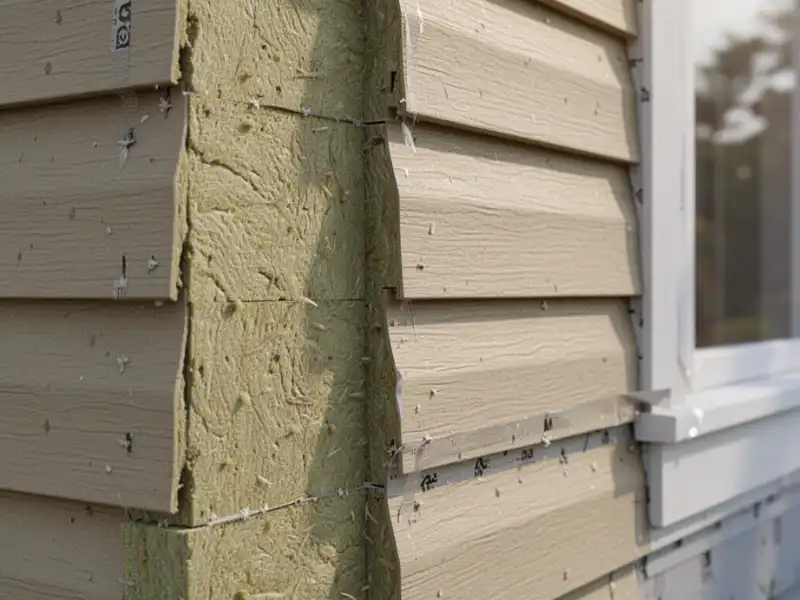
Siding insulation refers to insulating materials installed behind exterior siding to reduce heat transfer through exterior walls. These materials help maintain stable indoor temperatures by slowing heat transfer between the inside and outside of a home.
To understand the siding insulation importance, it helps to know how heat moves through walls. There are three main ways heat travels:
Conduction
This occurs when heat moves through solid materials like wood studs, drywall, and exterior siding. Without insulation, heat easily transfers through these materials.
Convection
Convection happens when air moves within wall cavities. Warm air rises, and cool air falls, allowing heat to circulate and escape.
Radiation
Radiant heat travels in waves and can pass through walls and roofing materials, especially when insulation is inadequate.
Quality siding insulation slows all three forms of heat transfer. By reducing this heat movement, homes stay warmer in winter and cooler in summer while using less energy.
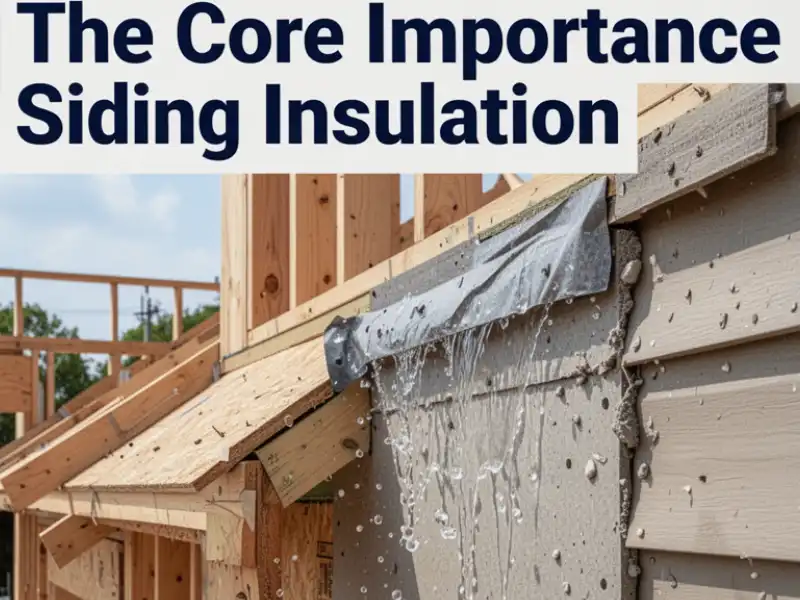
The Core Importance of Siding Insulation
The siding insulation importance goes far beyond basic temperature control. Properly insulated siding improves multiple aspects of a home’s performance.
Improved Comfort
One of the biggest benefits is indoor comfort. Without adequate insulation, walls can become cold in winter or hot in summer, creating uncomfortable rooms. Insulated siding helps maintain stable indoor temperatures throughout the home.
Energy Savings
Poor insulation forces heating and cooling systems to run longer to maintain comfortable temperatures. Upgrading wall insulation behind siding reduces energy loss and lowers monthly utility bills.
Structural Protection
Siding insulation also protects your home’s structure. It helps control moisture and condensation inside wall cavities, which reduces the risk of mold growth, wood rot, and structural damage over time.
Because of these benefits, understanding the siding insulation importance can help homeowners make smarter decisions about home upgrades and maintenance.
Understanding R-Value
When discussing insulation, you will often hear the term R-value. R-value measures how well a material resists heat transfer. The higher the R-value, the better the insulation performance.
Different climate zones require different insulation levels. Homes in colder regions generally need higher R-values to prevent heat loss, while warmer climates may require moderate insulation levels to keep heat out.
Typical wall insulation recommendations include:
-
Warm climates: R-13 to R-15
-
Moderate climates: R-15 to R-19
-
Cold climates: R-19 to R-21 or higher
Choosing insulation with the proper R-value improves wall efficiency and enhances the overall effectiveness of siding insulation.
Signs Your Home Needs Better Siding Insulation
Many homeowners don’t realize their walls lack sufficient insulation until problems start appearing. Several warning signs can indicate that your home may benefit from improved siding insulation.
High Energy Bills
If your heating or cooling costs continue to rise without explanation, heat may be escaping through poorly insulated walls.
Drafty Rooms
Cold drafts near exterior walls often indicate gaps or insufficient insulation behind siding.
Uneven Indoor Temperatures
Rooms that feel warmer or colder than others may suggest insulation problems within exterior walls.
Moisture or Condensation Issues
Poor insulation can allow condensation to form inside walls, which can lead to mold growth and long-term structural damage.
If you notice any of these issues, it may be time to evaluate the insulation behind your siding.
Your Next Steps: How to Get Started with an Upgrade
Improving siding insulation does not always require a complete exterior renovation. Several upgrade options can significantly increase wall efficiency.
First, consider having a professional energy assessment performed. Energy audits can identify insulation gaps and determine where improvements are needed.
Next, explore insulation options such as foam board insulation, insulated vinyl siding, or blown-in wall insulation. Each option provides different levels of thermal protection depending on your home’s structure and climate conditions.
Finally, work with experienced siding or insulation professionals who can recommend materials that match your home’s needs and local climate requirements.
Final Thought
Many homeowners focus on attic insulation while ignoring the walls that surround their living spaces. However, the importance of siding insulation should not be underestimated. Properly insulated siding improves comfort, reduces energy costs, and protects the structural integrity of your home.
By understanding how heat moves through walls and recognizing the benefits of proper insulation, homeowners can make informed decisions that lead to a more efficient and comfortable home for years to come. If you’re considering upgrading your home’s siding insulation or want a professional evaluation of your exterior walls, contact us today to discuss your options. Our team can help you choose the right insulation solution to improve energy efficiency and long-term home performance.
Join Our Community
Join our community on Facebook, and don’t forget to subscribe to us on YouTube for new content each week.
FAQs
1. Why is siding insulation important?
Siding insulation reduces heat transfer through walls, improving comfort, lowering energy costs, and protecting the structure from moisture and temperature changes.
2. What is siding insulation?
Siding insulation is a material installed behind exterior siding to slow heat movement through walls and improve a home’s energy efficiency.
3. How does siding insulation reduce energy bills?
Insulated walls reduce heat loss in winter and heat gain in summer, allowing heating and cooling systems to run less often.
4. What R-value should siding insulation have?
Recommended wall insulation typically ranges from R-13 to R-21, depending on climate zone and local building energy efficiency standards.
5. How can I tell if my home needs better siding insulation?
Common signs include high energy bills, cold drafts near walls, uneven indoor temperatures, and moisture or condensation inside walls.