Roof problems often develop silently beneath the surface, making them difficult to detect during a standard visual inspection. Many property owners only notice issues once leaks or structural damage become visible, which can lead to costly repairs. This is where a thermal imaging roof inspection becomes valuable. By using advanced infrared technology, inspectors can identify hidden temperature differences that indicate moisture intrusion, insulation failure, or other roofing defects.
A thermal imaging roof inspection allows professionals to detect problems early without damaging the roof surface, making it an efficient and reliable method for preventative maintenance and building protection.
What is a thermal imaging roof inspection?
A thermal imaging roof inspection is a non-destructive inspection method that uses infrared cameras to scan the roof surface and detect temperature variations. These temperature differences often reveal hidden roofing issues such as trapped moisture, damaged insulation, or air leaks. Instead of relying only on visible signs of damage, inspectors use specialized equipment to capture heat patterns across the roof system.
This technology helps identify problems beneath roofing materials like membranes, shingles, or coatings, allowing property owners to understand the true condition of their roof before serious damage occurs.
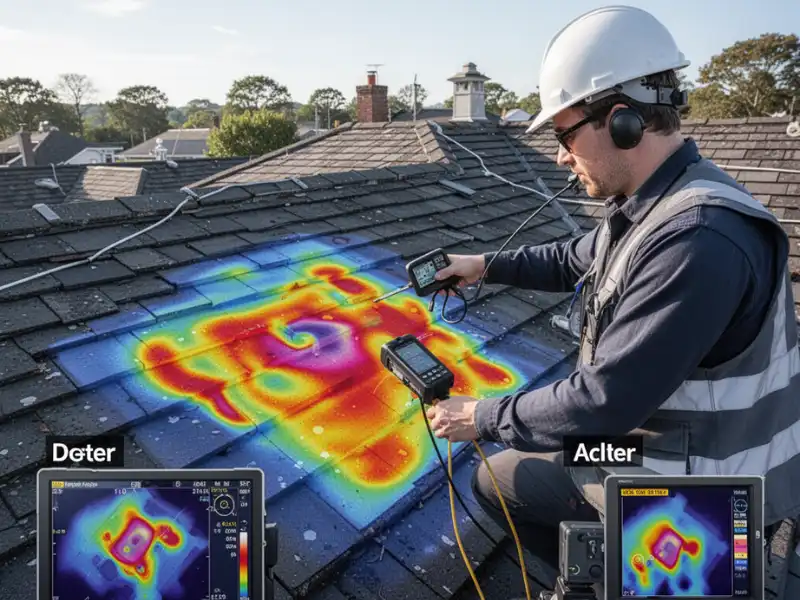
The science behind how infrared cameras detect heat signatures
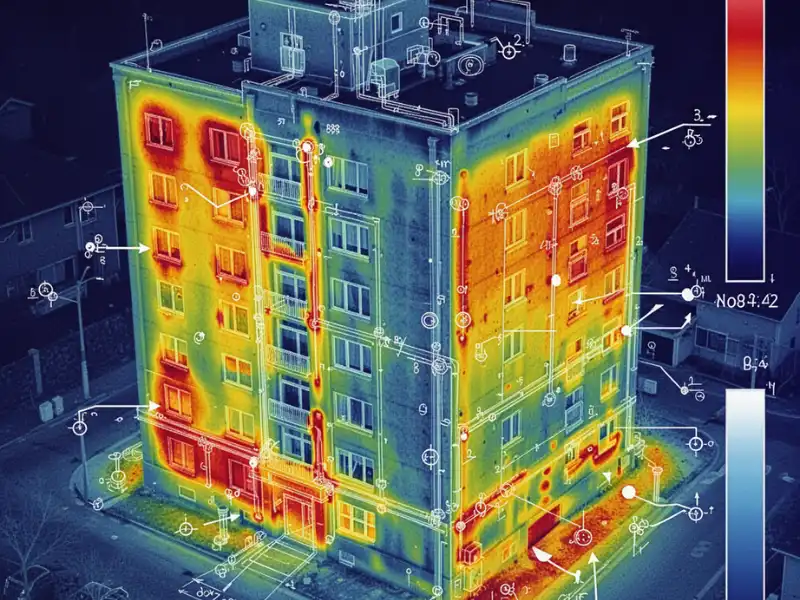
Infrared cameras work by detecting thermal energy emitted from objects and converting it into a visual image called a thermogram. Every material emits heat differently depending on its temperature and condition. When roofing materials contain moisture or damaged insulation, they retain heat longer than dry areas. During a thermal imaging roof service, infrared cameras capture these differences in heat signatures and display them as color variations on the image.
Warmer or cooler zones appear in contrasting colors, allowing inspectors to pinpoint irregular patterns that may indicate leaks, insulation gaps, or structural weaknesses.
What problems can it find (moisture, leaks, insulation gaps, HVAC issues)
Thermal technology can reveal a variety of hidden roofing problems that traditional inspections may miss. One of the most common findings is trapped moisture within insulation layers, which often leads to leaks and long-term structural deterioration. Infrared scans can also highlight insulation gaps where heat escapes, reducing energy efficiency in the building. In addition, inspectors can detect HVAC-related issues such as air leaks around rooftop units, poorly sealed ducts, or heat loss around mechanical penetrations.
By identifying these issues early, a thermal imaging roof helps building owners address problems before they escalate into major repairs.
Why it’s faster and more accurate than traditional grid-contact methods
Traditional roof inspection methods often involve physical probing or grid-contact testing, which can be time-consuming and sometimes invasive. In contrast, infrared scanning allows inspectors to cover large roof areas quickly while maintaining a non-destructive approach. Instead of checking small sections individually, infrared cameras analyze the entire roof surface in a short period of time.
This makes thermal imaging roof inspection methods significantly faster and often more accurate because they provide a complete thermal map of the roofing system. Organizations such as InterNACHI also recognize infrared scanning as a valuable tool for identifying hidden moisture and insulation issues that may not be visible during standard inspections.
What to expect during the inspection process
During the inspection, a certified technician typically performs the scan during the evening or early morning when temperature differences between wet and dry areas are easier to detect. The inspector uses an infrared camera to scan the roof surface while documenting thermal images and observations. Areas that show abnormal heat patterns are marked for further evaluation.
The technician may combine infrared results with visual inspection techniques to confirm findings. This process ensures that any suspected moisture intrusion, insulation problems, or roofing defects are accurately documented.
How to read a thermal imaging report
After the inspection is completed, the inspector provides a report containing infrared images, visible photos, and detailed explanations of the findings. Each thermographic image highlights temperature variations using color gradients, typically showing warmer areas in reds or yellows and cooler zones in blues or purples. The report usually identifies potential moisture areas, insulation deficiencies, or structural concerns along with recommendations for repair or further investigation.
Understanding this report helps property owners prioritize maintenance and make informed decisions about roof repairs or improvements.
Is it right for your roof type?
Infrared inspections work best on flat or low-slope roofs where moisture can become trapped beneath membrane layers. These roofs often include materials such as modified bitumen, TPO, EPDM, or built-up roofing systems. However, thermal imaging can also be useful for certain sloped roofs, especially when identifying insulation gaps or heat loss.
The effectiveness of the method depends on weather conditions, roofing materials, and the overall structure of the building. Consulting with a qualified inspector can help determine whether a thermal imaging roof Assessment is suitable for your specific roof type.
Final Thought
Early detection is one of the most effective ways to protect a roofing system and avoid expensive repairs. Infrared technology provides a powerful, non-invasive way to identify hidden issues before they become visible.
By using thermal imaging roof repair services, property owners can gain a deeper understanding of their roof’s condition, improve maintenance planning, and extend the lifespan of their roofing system. If you would like to learn more or schedule a professional inspection, feel free to contact us today, and our team will be happy to assist you.
Join Our Community
Join our community on Facebook, and don’t forget to subscribe to us on YouTube for new content each week.
FAQs
1. What is a thermal imaging roof repair?
A thermal imaging roof repair uses infrared cameras to detect temperature differences that reveal hidden moisture, insulation gaps, or leaks.
2. How does infrared roof inspection work?
Infrared cameras capture heat patterns from roofing materials. Wet or damaged areas retain heat differently, making problems visible in thermal images.
3. Can thermal imaging detect roof leaks?
Yes. Thermal imaging identifies moisture trapped beneath roofing materials, helping locate leaks that may not be visible during a standard inspection.
4. Is thermal imaging roof inspection accurate?
Infrared inspections are highly accurate when performed by trained professionals because they scan the entire roof and detect hidden temperature changes.
5. When should a thermal roof inspection be done?
Thermal inspections are usually done in the evening or early morning when temperature differences between wet and dry roof areas are easier to detect.