
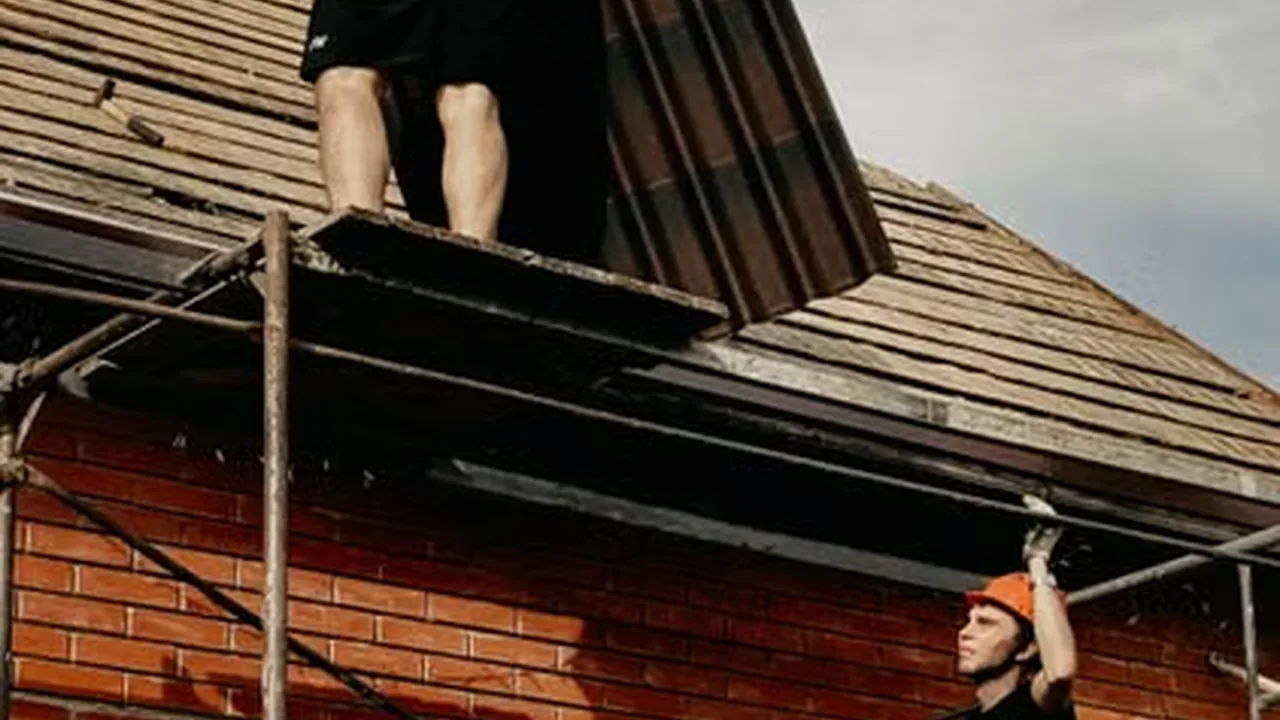
Full Tear-Off vs. Roof Layover: What a Layover Actually Voids
If you've had a roof quoted twice and one number came in a few thousand dollars lower, the difference is usually simple: one contractor is stripping your roof to the deck, and the other is nailing new shingles over the old ones. That second option is called a layover, and before you take the cheaper number, you should know exactly what it costs you in warranty coverage, and what it hides.
A layover doesn't just save labor on tear-off. It skips the one step that tells you what's actually going on under your shingles, and in Franklin County's storm-and-freeze-thaw climate, that's rarely nothing.
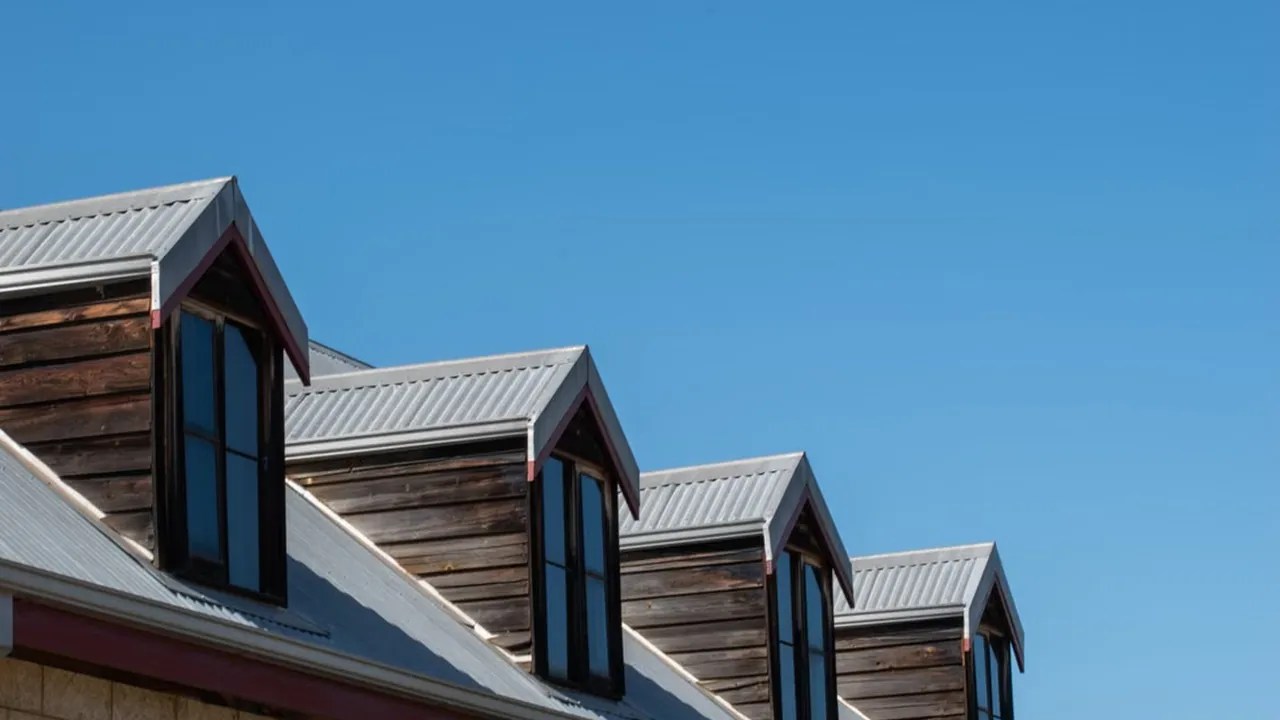
What a layover actually is
A layover, sometimes called a re-roof or recover, means the crew removes broken or missing shingles, nails a new layer of underlayment and shingles directly over the existing roof, and leaves the old layer in place underneath. A full tear-off, by contrast, strips every layer down to the wood decking before anything new goes on.
Most residential building codes, including the International Residential Code adopted across Missouri municipalities, cap roofs at two layers of asphalt shingles. So a layover is only physically possible once. If your home already has one layer of shingles, a layover puts you at the code limit. If it already has two, a layover isn't legal, and a tear-off is your only option regardless of price.
What a layover voids
Here's the part that matters most and the part a cheaper quote won't volunteer.
Manufacturer warranties. CertainTeed, Owens Corning, Malarkey, and GAF each publish installation requirements for their shingle warranties, and nearly all of them require installation over a single layer of shingles or bare decking, not over an existing layover-eligible roof with visible wear. Layering over a worn roof, especially one with cupped, curled, or granule-stripped shingles underneath, is one of the most common reasons a materials warranty claim gets denied later. The shingle maker's inspector doesn't need to prove the old roof caused the failure; they just need to show the installation didn't meet the published requirements.
Your ability to see storm damage. If hail or wind damaged your roof and you file an insurance claim later, the adjuster and your contractor need to assess the actual shingle and the decking beneath it. A layover buries evidence. If the older, hidden layer bruised or cracked in a prior storm, nobody can document that once a new layer sits on top of it.
Any chance to catch decking rot early. This is the big one in eastern Missouri. A roof here isn't just weathering sun and rain. It's taking spring and summer hail, straight-line wind gusts that lift and crease shingles, and then a full winter of freeze-thaw cycling that works every seam and nail hole the storm season opened. Water that gets past a shingle doesn't evaporate quickly in a Missouri winter. It sits in the plywood decking, and plywood that stays wet through repeated freeze-thaw cycles softens and rots from the inside, long before it shows as a ceiling stain. A tear-off is the only way to actually see that decking. A layover guarantees you won't.
Layover vs. tear-off, side by side
| Full tear-off | Layover | |
|---|---|---|
| Manufacturer warranty | Meets install requirements for all four major brands | Often voids warranty over a worn or two-layer roof |
| Decking inspection | Every sheet checked and replaced if rotten | Decking never seen, rot hidden under two layers |
| Storm damage evidence | Fully documented for an insurance claim | Buried; prior hail bruising can't be assessed |
| Roof weight | One shingle layer, engineered load | Two shingle layers, added structural load |
| Code compliance | Always compliant | Illegal past two existing layers |
| Upfront cost | Higher, reflects full scope | Lower, reflects reduced scope |
| Long-term cost | One job, full warranty coverage | Frequently a tear-off deferred a few years, done twice |
Why the cheaper number is often the same job, done twice
A layover isn't really a cheaper roof. It's a smaller job that gets sold at a smaller price, and the difference in scope is exactly the part that protects you: the deck inspection, the decking replacement, and the warranty that depends on both. When that hidden rot eventually shows up as a soft spot or a leak, the homeowner ends up paying for a full tear-off anyway, except now on top of the layover they already paid for, and often on a shorter timeline because the trapped moisture accelerated the damage.
There are narrow cases where a layover is defensible: a single, sound existing layer with no visible cupping or granule loss, a homeowner who plans to sell within a year or two and isn't planning to file an insurance claim, and a decking condition that's already been verified some other way. Those cases exist, but they're the exception, not the default, and any roofer proposing one should be able to explain exactly why your roof qualifies rather than simply quoting it because it's cheaper.
At Emmendorfer Exteriors, our standard roof replacement is a full tear-off to the deck on every job in Union, Washington, Pacific, St. Clair, Sullivan, Villa Ridge, and New Haven. We replace failed decking and fascia when we find it and name the manufacturer on your written estimate before anyone steps on the roof. If your roof genuinely doesn't need a replacement yet, our repair or replace guide walks through the signals we actually look for.
Frequently asked questions
Does a layover always void my shingle warranty?
Not automatically, but it frequently does in practice. Each manufacturer, including CertainTeed, Owens Corning, Malarkey, and GAF, publishes specific installation requirements, and installing over an existing layer with visible wear, or over two existing layers, typically falls outside those requirements. Ask your contractor to show you the manufacturer's written installation guidelines for a layover before you sign.
How many layers of shingles can legally be on a roof in Missouri?
Most Missouri municipalities follow the International Residential Code, which caps residential roofs at two layers of asphalt shingles. If your home already has two layers, a layover is not a legal option and a full tear-off is required regardless of cost.
Can I still file an insurance claim if my roof has a layover on it?
Yes, but it's harder. Hail and wind damage assessment depends on inspecting the actual shingle surface and, in disputed cases, the decking underneath. A layover doesn't prevent a claim on the top layer, but it makes it much harder to prove or disprove damage to the hidden layer beneath it, and an adjuster may discount the claim if the roof's history is unclear.
Is a layover ever the right call?
In narrow cases, yes. A single, sound existing layer with no cupping, curling, or granule loss, combined with a shorter ownership horizon and no plan to file a storm claim, can make a layover a reasonable, lower-cost choice. It should be the exception a contractor can specifically justify for your roof, not the default quote.
How do I know if my roof already has a layover?
Check your attic for the roofline edge, or look at the shingle edge along your rake board from a ladder; a doubled layer often shows a thicker, stepped edge. Your contractor can also confirm layer count quickly during a free inspection before quoting anything.
Why do some contractors quote a layover without mentioning the risks?
A layover is a smaller, cheaper job to perform, so it lets a contractor win your business on price. A roofer who quotes a layover without walking your roof first, and without explaining what it means for your warranty and your ability to inspect the decking, is optimizing for the sale rather than for your roof's long-term condition.
The bottom line
A layover can look like the responsible, budget-friendly choice on paper, right up until it voids the warranty you were counting on or hides the rotten decking that turns a repair into a full replacement two winters later. Before you accept a layover quote, ask what the manufacturer's installation requirements actually say, ask what layer count your roof is already at, and ask your contractor to explain why your specific roof qualifies for the exception rather than the standard.
Want a straight answer on your own roof? Request a free written estimate and we'll walk your actual roof, check the layer count and decking condition, and tell you honestly whether a tear-off is the only responsible option. See our roof cost guide for what a real tear-off runs in Franklin County.
A real Emmendorfer walks your actual roof and gives you a firm written price. Family-owned since 1990.