
When Is the Best Time to Replace a Roof in Missouri?
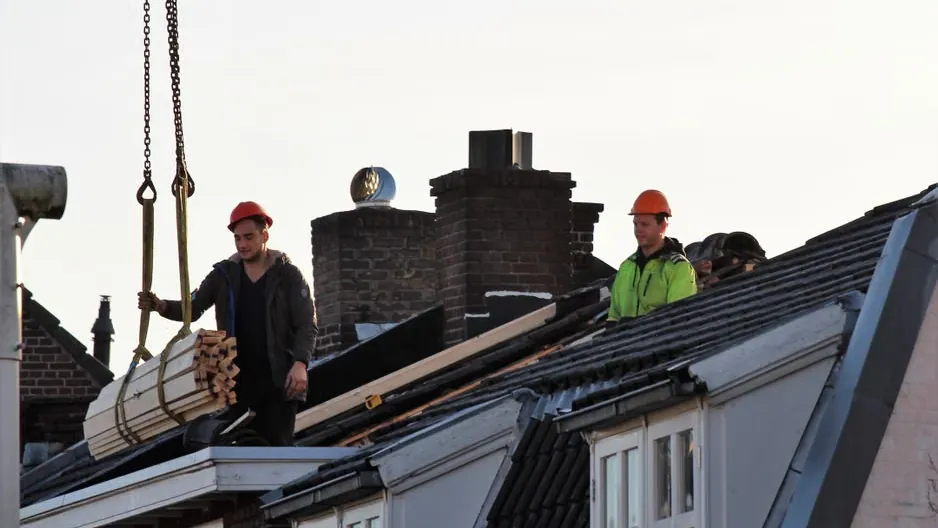
For a planned roof replacement in Missouri, early fall is usually the best window. September through early November brings mild afternoons that let new shingles seal before winter, steadier weather for the crew, and a calendar that has cleared after the storm rush. A roof can still be replaced in any season here. Winter installs hold up when the crew follows the manufacturer's cold-weather instructions, and an active leak shouldn't wait for a nicer month.
At Emmendorfer Exteriors, our family has replaced roofs across Franklin County since 1990. This guide covers how each season affects an install, what changes when the temperature drops, and when waiting does more harm than good.
Why fall works best for most Franklin County roofs
Asphalt shingles carry a strip of heat-activated sealant on the back. Sun warms the shingle, the strip softens, and it bonds to the course below. Until that bond forms, a strong gust can lift the shingle edges. Fall afternoons in eastern Missouri are usually warm enough to start that seal, without the summer heat that softens shingles and makes them easy to scuff underfoot.
Timing matters for a second reason. A roof installed in October has a few weeks to settle before the first hard freeze. Winter freeze-thaw cycles pry at every gap in flashing and seams, and ice dams push meltwater backward under the eaves. A new roof with ice-and-water shield at the eaves and valleys goes into that season sealed. An old roof goes into it with whatever weak spots the last storm season left behind. Our ice dam and winter roof damage guide explains how that water finds its way in.
Fall is often easier to schedule, too. After a big spring hailstorm, every roofer in the county gets busy at once, and by fall much of that backlog has cleared.
How each season compares for a Missouri roof replacement
| Season | Installation conditions | Shingle sealing | Scheduling | Best for |
|---|---|---|---|---|
| Spring (March to May) | Mild temperatures, frequent rain delays | Good once days warm up | Busy after hail events | Storm repairs, planned jobs booked early |
| Summer (June to August) | Hot; crews start early to avoid peak heat | Fast, often within days | Busy with storm work | Most jobs, with heat precautions |
| Fall (September to November) | Mild days, usually calmer than spring | Good on sunny days | Often more open | Planned replacements |
| Winter (December to February) | Cold, short days, possible ice or snow | Slow; hand-sealing often needed | Most flexible | Urgent replacements that can't wait |
Can you replace a roof in winter in Missouri?
Yes. GAF's technical bulletin on temperature extremes and asphalt shingles says there is no practical lower temperature limit for installing its shingles. It recommends temperatures above 40°F for the easiest handling and states that its limited warranty stays in effect regardless of the air temperature at installation. Malarkey publishes separate cold-weather installation guidelines for work below 40°F, and notes that its wind warranties apply only once shingles are sealed, either by the self-sealing strips or by hand.
Winter concerns come down to handling and sealing. Cold shingles stiffen and can crack if bent or nailed carelessly, and self-adhered underlayments grip poorly on a cold deck. In a gray January week, the sealant strips may not activate for a while, leaving the roof more exposed to wind until they do.
What a proper cold-weather install includes
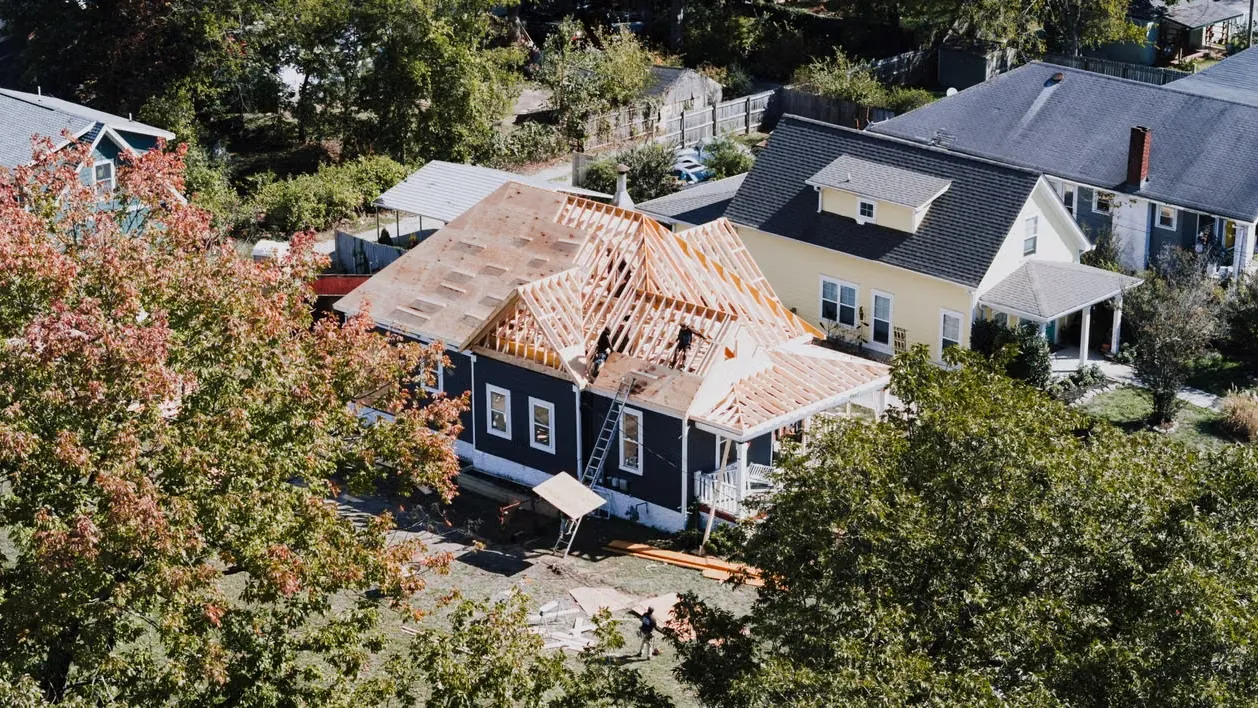
If your replacement lands in December or January, ask your roofer how they handle each of these:
- Shingles stored in a heated space before installation, so they lie flat and bend without cracking.
- Hand-sealing with dabs of roof cement wherever the manufacturer's instructions call for it.
- No installation over frost, ice, or snow on the deck, and careful footing on cold shingles once they're down.
- Underlayment fastened in place when the cold keeps its adhesive from bonding right away.
- Work that follows the sun, starting on the warmer, south-facing slopes.
A roofer who can explain these steps has done winter work before.
When waiting for a better season is a mistake
Choosing a season only applies to a roof you're replacing by choice. These situations call for action now:
- An active leak, a fresh ceiling stain, or a soft spot when you walk the roof.
- Missing or creased shingles after a windstorm.
- Hail damage from a recent storm. Many homeowner policies set time limits for reporting storm damage, so check yours before waiting.
- Granule loss heavy enough that the shingle mat shows through.
After the March 14 and 15, 2025 storms, FEMA included Franklin County in Missouri's major disaster declaration.
Storms like that push many local roofs into the "now" category at once, and our Franklin County hail and wind storm history shows how often they come through.
If your roof took a hit, start with our guide to documenting hail damage before the adjuster arrives and book a free roof inspection. A small leak can often be patched to buy time until a full replacement makes sense, and our roof repair crews handle that work across the county.
Summer installs: working around the heat
Summer is a fine time to roof, with heat as the main issue. GAF notes that shingles handle best below 90°F because hot shingles soften and scuff underfoot, so good crews start early and do the sunniest slopes first. Sealant strips bond quickly in July sun.
The calendar is the bigger summer challenge. Hail season can leave contractors booked out for weeks, so a replacement that isn't storm-related usually gets scheduled faster before or after that rush.
How to plan a discretionary replacement
If your roof is aging but not failing, plan ahead:
- Schedule an inspection in late summer. Someone who walks the roof can tell you whether it has another winter left. Our roof inspection guide covers what that visit should include.
- Collect written estimates by early fall and compare the scope of each one, not just the bottom number.
- Choose your shingle while the schedule is still open. Our shingle brand comparison walks through CertainTeed, Owens Corning, Malarkey, and GAF.
- Decide on gutters at the same time. Replacing them along with the roof is easier than working around new shingles later. See our seamless gutter installation page.
- Ask about cold-weather procedures if the install could slip into December.
Our Franklin County roof cost guide breaks down what moves the price, and the repair or replace guide covers whether the roof needs replacing at all.
Frequently asked questions
What temperature is too cold to install a shingle roof?
There's no single cutoff. GAF says its shingles have no practical lower installation limit but handle best above 40°F. Below that, manufacturers call for warm material storage, careful handling, and hand-sealing so the shingles bond before high winds arrive.
Is fall a cheaper time to replace a roof?
On our estimates, the price comes from roof size, pitch, the shingle you choose, the number of layers to remove, and the condition of the decking underneath. The calendar doesn't change those. Fall's advantage is weather and scheduling.
Will a winter install void my shingle warranty?
Not by itself. GAF states its limited warranty stays in effect regardless of air temperature at installation. Malarkey ties its wind coverage to the shingles being sealed, which is why hand-sealing matters in cold weather. Check the instructions for the product named on your estimate.
How long does a roof replacement take?
Most Franklin County homes take one to two days, weather permitting. Steep or complicated roofs, heavy decking replacement, or a combined roof and siding job take longer.
Should I replace my roof before selling my house?
Sometimes. A worn roof can complicate a buyer's inspection, but a new roof rarely returns its full cost at sale. Our article on whether a new roof increases home value in Franklin County walks through the tradeoff.
Picking your window
For most planned replacements, fall gives you the best mix of mild weather, sealing time, and open scheduling. Winter works with the right precautions, and storm damage or active leaks should be handled whenever they show up. Emmendorfer Exteriors walks every roof before quoting it and names the manufacturer on the written estimate, so you know exactly what's going on your house and when.
Request a free inspection and we'll tell you whether your roof should be replaced this fall or can wait another season.
A real Emmendorfer walks your actual roof and gives you a firm written price. Family-owned since 1990.